


Quick Facts About Curaçao

| Official LanguageDutch, Papiamentu, English | Time ZoneAtlantic Standard Time (AST), UTC-4. No daylight saving time observed. |
| English SpeakingEnglish is widely used in business and education | Capital CityWillemstad |
| CurrencyCaribbean Guilder (XCG), pegged to USD at 1.79 | Top Talent HubsWillemstad, Punda, Otrobanda, Pietermaai |
| Payroll CycleMonthly | Internet Connectivity68.1% internet penetration |
| Popular IndustriesTourism and hospitality, financial services, port and maritime logistics, ICT and data centers, construction and real estate, oil refining and energy | Average Internet Speed87 Mbps fixed broadband (varies by source) |
| Dial code+599 | Taxpayer Identification NumberCRIB |
| Top International CompaniesFLOW, Digicel Curaçao, Blue NAP Americas, Cloudflare | Tech Startups3 tracked tech startups, no unicorns. Such as: MintDice, NuxGame, and Minubia. |
Curaçao’s Economy

Curaçao’s economy is small and concentrated, not diversified. USD 3.56 billion in 2024, absorbed by a handful of sectors. For companies hiring employees in Curaçao, that concentration shapes everything that follows, including who you can actually hire.
Tourism is the primary growth engine, and in 2024, it pulled construction, transport, and real estate up with it. Financial services and international business operate as the second pillar, shaped by decades of offshore corporate activity. ICT and data-center services sit behind both, tied to the island’s international-services posture rather than a domestic software market. What that means for distributed teams and technical hiring becomes clear quickly: the talent pool reflects these sectors, not a software export economy.
The macroeconomic environment is unusually stable. Inflation held at 2.6% in 2024. The Caribbean guilder is pegged to the U.S. dollar, eliminating the currency exposure that complicates payroll and compensation planning. Neither of those affects day-to-day employment compliance, but both shape the supply of experienced professionals available to international employers.
That supply is structured through the E-zone regime, established by the Landsverordening economische zones 2000, to support export-oriented and international-services activity. Most foreign tech and digital services operators on the island use it to organize their local presence. The professionals who have worked within that structure know international workflows, statutory employee benefits under Dutch-derived labor law, and English-speaking workforce norms.
Most aren’t building products from scratch. They’re senior operators in compliance, financial services, and technical operations, already working inside international teams and shipping in English.
For founders evaluating how to hire in Curaçao, the combination of USD-pegged stability, a mature international-services sector, and a legally structured E-zone regime makes the island a defensible choice for back-office, compliance, and English-facing operational roles.
This isn’t where you build a fifteen-person engineering team. It’s where you hire the second engineer, the senior compliance lead, and the operations hire who already speaks your customer’s language.
Why Should US-Based B2B SaaS Companies Hire in Curaçao?

Curaçao gives U.S. SaaS teams something most LATAM markets cannot: full-day time zone overlap with the East Coast, paid in a USD-pegged currency, with English-capable professionals trained inside a Dutch-derived business environment. For nearshore talent in Curaçao, the decision is not about scale. It is about alignment.
Eight hours of time zone overlap with U.S. Eastern. Nine during daylight saving. Curaçao runs on UTC-4 with no daylight saving switch, so a 09:00 to 18:00 workday on the island lines up almost exactly with a U.S. East Coast day. Standups, code reviews, sprint ceremonies, and synchronous unblocking happen inside shared working hours, not at the edges of the day.
Tech talent pipeline is concentrated, not deep. The University of Curaçao, Dr. Moises da Costa Gomez, anchors the local supply through its Faculty of Engineering ICT program, taught in English and Dutch. That bilingual instruction matters more than raw graduate volume: candidates from the program enter the workforce already operating in the language U.S. teams hire in. The pool is small and specialized, which means hiring developers in Curaçao works for targeted senior roles, not for rapid headcount expansion. The tech talent in Curaçao is real, but narrow.
English proficiency inside the tech sector is functional and grounded in the international-services posture of the local economy. ICT-trained professionals already work in English-language business environments through E-zone employers and offshore financial services. Screening shifts from teaching English to confirming production-level fluency for synchronous collaboration, which compresses the hiring cycle compared to markets where English is a secondary skill layered on top of technical training.
Cost structure favors U.S. employers without FX volatility. Compensation runs materially below U.S. benchmarks in every band, junior to senior. The Caribbean guilder’s peg to the U.S. dollar removes FX adjustment as a planning variable: the salary you sign at month one is the salary you pay at month twelve, in real terms.
Remote work infrastructure supports synchronous distributed teams. The Caribbean’s telecom and data-center footprint handles real-time collaboration reliably for cross-border employment. Curaçao also operates a government remote-worker stay program, which signals national-level commitment to remote hiring in Curaçao as an economic strategy rather than a tolerated arrangement.
For U.S B2B SaaS companies building:
- Financial services, compliance, and risk operations
- Customer support and English-facing operations
- QA and test automation
- Data and reporting roles tied to international workflows
- Senior backend and platform engineers joining established teams
Curaçao fits the model when time zone alignment, USD-pegged compensation, and English-capable hires matter more than pipeline depth.
If you’re scaling engineering headcount into the dozens, larger LATAM markets will serve you better. If you’re hiring two to ten senior, time-zone-aligned professionals into a stable cost structure, Curaçao should be your first call.
Popular Roles to Hire in Curaçao
The strongest profiles for hiring developers in Curaçao concentrate on back-end engineering, networking, and quality assurance. GTM and finance roles exist but skew toward customer-facing operations, where English fluency and Dutch-derived business norms are advantages for hiring talent in Curaçao.
Tech talent in Curaçao reflects the island’s international-services posture: senior operators who already work inside cross-border teams, not a wide pipeline of junior product engineers.
Technical & Engineering Teams

Engineering depth in Curaçao sits in back-end fundamentals, infrastructure, and quality, not frontier R&D.
- Back-End Developers and Full-Stack Software Engineers: Java and Python are the dominant stacks, with strong OOP grounding and database fluency. Senior profiles have shipped inside international-services and financial-services environments. Realistic for replacement and additive hires on established teams.
- Mobile Developers: Native iOS, Android, and cross-platform builders are available, primarily through UoC’s ICT program and regional fintech and e-commerce employers.
- QA Engineers and Test Automation Specialists: One of the most consistent technical pools on the island. Cost-aligned and well-suited to embedding inside U.S. product teams running CI/CD.
- Networking and Systems Administrators: Experienced infrastructure operators trained inside the island’s telecom and data-center sector. Useful for hybrid cloud, on-prem-to-cloud migration, and platform reliability work alongside with Site Reliability Engineers (SRE), and Platform Engineers hires.
- IT Support Engineers (L1-L2): Production-fluent in English, accustomed to ticket-based workflows. Strong fit for SaaS support engineering layered on top of customer success.
- Blockchain, Gaming-Tech, and E-commerce Engineers: Smaller pool tied to Curaçao’s gaming-license sector and digital-services E-zone employers. Realistic for niche hires, not high-volume sourcing.
Go-To-Market (GTM), Finance & Marketing

GTM availability skews toward customer retention and operational analysis. Outbound sales for English-language U.S. markets are workable but requires explicit fluency screening.
- Sales Development Representatives (SDR): Viable for English-language outbound when bilingual proficiency is confirmed. The international-services background of most candidates supports professional B2B communication.
- Account Executives (AE): Available for full-cycle SaaS sales into English-speaking markets. Pool is narrower than larger LATAM hubs, so expect longer sourcing timelines for senior closers. If pipeline depth for sales roles matters, see Best Latin American Countries to Hire Sales Talent for a broader regional comparison.
- Customer Success Managers (CSM) and Account Managers: One of the strongest GTM profiles on the island. English-fluent, retention-oriented, and accustomed to working with international clients.
- Data and Finance Analysts: Solid pipeline trained inside offshore financial services. Familiar with international reporting standards and SaaS reporting cadences.
- Growth Strategist, Digital Marketing, and Content Writer: Available for English-language campaigns and demand generation. Profiles with direct U.S. SaaS marketing experience are limited but exist through E-zone employers.
Support, Ops & HR

Support and operations are where Curaçao’s international-services posture pays the most direct dividend.
- Customer Support Representative: English-fluent, time-zone aligned, and culturally attuned to U.S. customer expectations. Strong fit for tier-1 and tier-2 SaaS support coverage.
- Implementation and Customer Onboarding Specialists: Available for technical onboarding and customer activation roles. Common background in international-services delivery means a faster ramp on SaaS implementation playbooks.
- IT Support and Help Desk: Cost-aligned and English-capable. Realistic for internal IT coverage on U.S. business hours without hiring stateside.
- Cybersecurity and Network Administrators: Concentrated inside the financial-services and telecom sectors. Senior profiles with international compliance exposure are sourceable, though the pool is small.
- HR Business Partners, Talent Acquisition, and People Ops: Familiar with Dutch-derived labor law and international employment compliance. Useful for companies building local people operations or managing distributed teams under cross-border employment structures.
Each of these hires can be structured through a local entity, an Employer of Record, or a contractor agreement, and the choice changes the cost and compliance profile of the offer.
Curacao · XCG to USD
The guilder your budget pays, in real dollars
Convert Caribbean guilders to US dollars at the official peg, then see why a fixed rate means your Curaçao hire costs exactly what you budget.
Reference rates, not a live daily feed. Curaçao adopted the Caribbean guilder (XCG) in 2025, replacing the Netherlands Antillean guilder (ANG) at the same 1.79 per USD peg that has held since 1971.
USD to XCG, 10-year trend
A flat line is the point: the guilder has been pegged at 1.79 per USD since 1971 (ANG, now XCG). A Curaçao hire carries zero exchange rate risk.
Source: official central bank parity. The peg has held since 1971.
Ways U.S. Companies Can Hire Talent in Curaçao
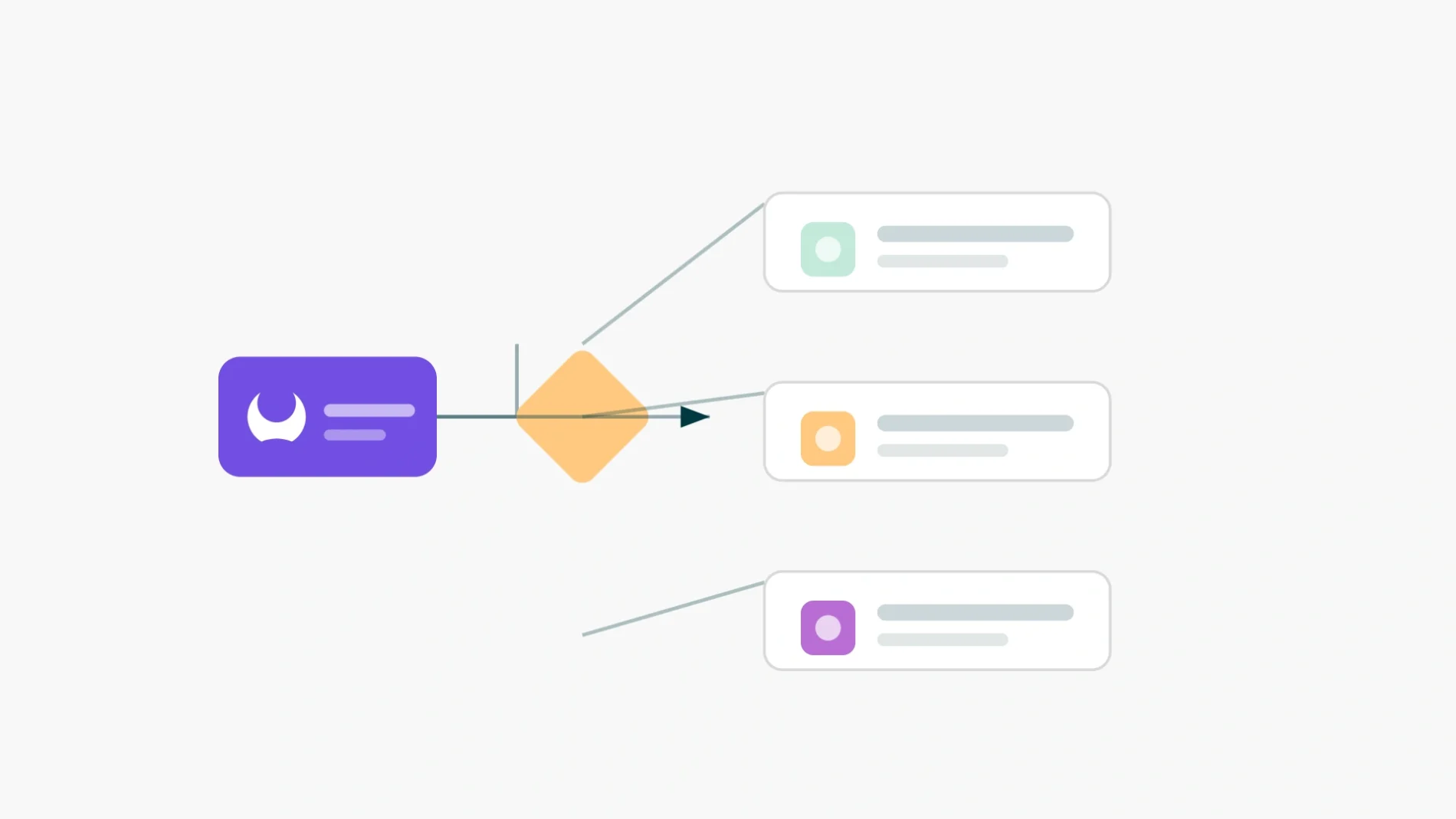
U.S. companies have three legal paths for hiring in Curaçao: setting up a local entity, using an Employer of Record, or hiring contractors in Curaçao through service agreements. The right choice depends on headcount, timeline, and how much compliance work you want to absorb internally. Most teams pick wrong on the first hire.
Setting Up a Local Entity in Curaçao

Entity setup gives you full control over operations, payroll, and local invoicing. Curaçao recognizes several legal forms, and the choice depends on how you plan to operate.
- N.V. (Naamloze Vennootschap), the public limited company, is used for larger operations and capital structures
- B.V. (Besloten Vennootschap), the private limited company, the most common foreign-investor choice for hiring teams
- Stichting (foundation) and Vereniging (association), used for non-commercial structures
- Eenmanszaak (sole proprietorship), for individual operators
- V.O.F. and Maatschap, partnership forms used for professional services
Incorporation runs through a structured process: notarial deed signed before a Curaçao notary or via power of attorney, Chamber of Commerce registration, tax and payroll registration, and UBO filing where applicable. Incorporation itself completes in roughly one day once documents are ready. Permits and operating licenses add weeks before the entity is fully operational.
Day-one labor rules follow Dutch-derived employment compliance in Curaçao, including:
- Written employment contracts in Dutch or English
- Mandatory social security and payroll tax registration
- Statutory employee benefits, including paid leave and severance accruals
- Wage tax withholding through monthly payroll filings
Entity setup makes sense when you plan to hire a sustained local team, need local invoicing capability, or want full control over the employment relationship. For one to five hires, the administrative weight rarely justifies the setup cost.
Use Employer of Record (EOR) in Curaçao

An Employer of Record in Curaçao is a third-party company that legally employs workers on your behalf while you direct day-to-day work. The EOR holds the local entity, runs payroll, and absorbs employment compliance in Curaçao.
The EOR handles:
- Employment contracts compliant with Curaçao labor law
- Monthly payroll in Curaçao and tax withholding
- Social security and statutory benefit contributions
- Severance and termination administration
- Ongoing regulatory and reporting filings
Employer cost uplift in Curaçao runs roughly 21.7% to 26.2% above gross salary on insurable wages. That figure breaks down into six mandatory social insurance funds, with the largest contributions in pension (AOV) and health (BVZ). A flat Cessantia contribution of XCG 40 per employee per year applies on top.
EOR in Curaçao fits when you are:
- Hiring one to ten employees on the island
- Running a pilot hire before committing to a local entity
- A remote-first SaaS team that needs compliant contracts without local infrastructure
- Moving fast on a senior hire where entity setup would delay onboarding
Verified EOR providers operating in Curaçao include Papaya Global. Other major global EORs may offer coverage; confirm directly before contracting.
Hire Independent Contractors in Curaçao

Contractor arrangements deliver speed and flexibility, with the highest legal exposure of the three options. Hiring contractors in Curaçao works for short, scoped engagements where the relationship does not resemble employment.
Contractors fit when:
- The engagement is project-based with defined deliverables
- The worker controls their own schedule and methods
- There is no exclusivity in the agreement
- The relationship has a clear end date
Worker classification is the central concern. Curaçao tax and labor authorities apply deemed-employment categories that treat the employee vs contractor classification as a matter of substance, not contract wording.
Directors and commissioners of N.V. and B.V. structures fall inside these categories, alongside commission agents, artists, temp workers, and trainees.
Beyond the deemed categories, any contractor relationship that resembles employment, with fixed hours, exclusive engagement, or economic dependence, gets reclassified by tax authorities, triggering retroactive payroll tax and statutory benefit obligations.
Risk mitigation requires deliberate structuring:
- Scope work to specific deliverables, not ongoing availability
- Avoid fixed schedules and exclusivity clauses
- Pay against invoices for completed work, not as recurring salary
- Engage local legal counsel for any long-term contractor relationship
Entity setup gives full operational control at the cost of weeks of setup and ongoing administrative load. EOR delivers compliance from day one without local infrastructure, fitting most U.S. SaaS teams hiring their first one to ten people in Curaçao. Contractor arrangements move fastest but carry reclassification exposure that surfaces long after the engagement is signed.
Employment laws in Curaçao follow Dutch-derived civil law, codified in the Civil Code of Curaçao and enforced through the Ministry of Social Development, Labour and Welfare. The system protects employees through structured notice periods, severance entitlements, and mandatory social insurance contributions that scale with tenure.

Employment Laws in Curaçao
Severance is the largest financial exposure for employers terminating without cause. Cessantia accrues from day one and is owed on any employer-initiated termination outside of employee fault. The formula scales with tenure, which means a senior hire built into the team over a decade carries severance weight that a first-year hire does not. Workforce planning has to price that in before the offer goes out, not after the termination decision.
Payroll in Curaçao runs monthly and pulls in payroll taxes and statutory contributions beyond base salary.
- Employer social insurance contributions to six funds
- Employee income tax withholding at source under progressive brackets
- Cessantia severance accrual
- Vacation pay accrual against statutory entitlement
- Itemized monthly payslips in XCG
Companies hiring through an EOR transfer payroll execution and statutory filings to the provider. Companies operating through a local entity manage payroll, tax filings, and severance accruals directly through the Tax Office and Chamber of Commerce.
Workforce planning for employment compliance in Curaçao depends on three constraints: severance accrues from day one, employer contributions add a fixed uplift above gross salary, and any non-probation termination runs through the dismissal permit process. Build those into the offer model before the first hire, not after the second one.
Curaçao’s labor law defines minimum statutory leave entitlements through national social insurance, administered by the Sociale Verzekeringsbank (SVB). Employee benefits in Curaçao for leave run through this system, and employers can offer more generous policies, but cannot go below the legal baseline.

Leave Policy in Curaçao
| Maternity Leave14 weeks total (typically 2-6 weeks before birth and 8-12 weeks after). Paid at 100% through social insurance (ZV/SVB). Dismissal protection applies during leave. | Parental LeaveNo national shared-parental-leave entitlement. Some employers extend contractual leave on top. |
| Paternity LeaveNo general statutory paternity leave entitlement under current Curaçao law. | Sick Leave80% of salary from day 4 under ZV. First 3 days are unpaid waiting days. Employer advances payment on normal paydays and is reimbursed by the scheme. |
Maternity leave compensation is funded through social security contributions, not directly by the employer, although the employer carries the operational load during the leave:
- Register the leave claim with SVB before the leave start date
- Coordinate reimbursement timing against monthly payroll cycles
- Hold the role under statutory dismissal protection for the full period
- Reinstate the employee in the same role on return
Dismissal protection is strict during leave, and any termination tied to the leave carries legal exposure.
Paternity and parental leave remain limited under current law. Many international employers voluntarily extend paternity leave on a contractual basis to stay competitive in hiring senior technical and operational talent.
Sick leave under ZV pays from the fourth day onward. The employer advances the salary on normal paydays and reclaims the amount from the scheme. Extended or recurring illness transitions into longer-term disability coverage under the same insurance system.
When budgeting for Curaçao hires, paid leave policies and temporary coverage planning should be factored in early.
Remote Work Regulations in Curaçao

Curaçao does not have a dedicated national telework statute. Companies that hire remote employees in Curaçao operate under the general employment provisions of the Civil Code, which puts the regulatory weight on the employment contract.
The contract should define working hours, location, equipment, and availability in writing. Without explicit terms, the defaults apply: 40-hour week, fixed-location presumption, standard overtime triggers.
Right to disconnect is not codified. International employers building distributed teams write async norms and after-hours expectations into the contract or a remote work policy attached to it.
Equipment and internet reimbursement carry no statutory minimum. Market practice for cross-border employment is a laptop and a monthly internet stipend, since candidates with international experience expect both.
Data protection runs through the Curaçao National Ordinance on the Protection of Personal Data, modeled on Dutch and EU standards. Employers apply security standards consistent with their U.S. and EU obligations.
The E-zone sector has operated remote and hybrid models for years. The legal floor is low. The contract carries the load.
Common Benefits & Perks Expectations in Curaçao

Base salary alone does not close senior offers in Curaçao. Candidates with international-services experience benchmark against U.S. and European packages, and the gap between statutory minimum and competitive offer is where retention is won or lost. Employee benefits in Curaçao, layered on top of base pay, are what move acceptance rates.
- Private Health Insurance: Statutory BVZ coverage is functional but basic. Senior candidates expect supplemental private coverage extending to family members, modeled on Dutch private health standards. This is the single most cited factor in offer acceptance for senior hires.
- Occupational Pension Top-Up: Statutory AOV provides the floor. International employers commonly add an occupational pension contribution on top, which signals long-term employment intent and matches what candidates see at established financial-services employers on the island.
- Performance and Year-End Bonuses: Variable compensation tied to individual or company KPIs is standard at mid-to-large employers and expected at senior levels. The 13th-month salary is not statutory in Curaçao, but discretionary year-end bonuses fill the same role in offer competitiveness.
- Additional Paid Time Off: Statutory vacation is the floor, not the market rate. International employers competing for senior talent commonly offer additional days plus flexible scheduling, which matches the autonomy senior professionals already have working with U.S. teams.
- Training and Certification Budget: Cloud certifications, technical courses, and conference budgets are expected at the senior engineering level. A training line item signals investment in the employee’s trajectory and closes offers against employers that treat development as the candidate’s problem.
- Transport and Meal Allowances: Standard practice among Curaçao employers, often delivered as monthly stipends or vouchers. Low cost to employer, high signal to candidate.
- Phone and Internet Stipend: Expected for any remote or hybrid role. Aligns with cross-border employment norms that candidates see at international employers.
- Life and Disability Cover: Supplemental life and long-term disability coverage on top of social insurance. Standard at financial-services and international-services employers, expected at senior levels elsewhere.
International-services candidates in Curaçao have direct exposure to what U.S. and European employers offer. They know the going rate for benefits, and a below-market package gets read as a below-market employer.
Layering supplemental benefits closes more senior offers than inflating base salary alone. The cost per benefit is low, the signal value is high, and the retention payoff compounds.
Statutory Time Off in Curaçao

Curaçao mandates paid annual leave and observes 13 public holidays in 2026. Both directly affect sprint planning, client coverage, and CFO modeling for fully loaded employment cost.
Paid Time Off (Vacation) in Curaçao
Statutory vacation in Curaçao is calculated in working days, not calendar days, and accrues at three times the employee’s weekly working days per year. For a standard 5-day workweek, that produces 15 working days of paid vacation annually. For a 6-day workweek, the floor is also 15 working days.
- Curaçao does not establish statutory seniority tiers for vacation accrual. The 3x weekly-workdays minimum applies regardless of tenure, which means employer-led top-ups are the only mechanism for tenure-based vacation differentiation.
- Vacation cannot be replaced with cash compensation during employment, except on termination, where accrued and unused leave is paid out as part of the final settlement. Carry-over rules apply, with statutory limits on how long unused leave can be banked before forfeiture.
Curaçao Public Holidays
Curaçao observes 13 national public holidays in 2026. Employees keep their normal pay when a holiday falls on a regular workday. Scheduled workers who work on a public holiday receive at least 2x pay, and overtime premium on a public holiday is +100%.
- New Year’s Day: January 1
- Carnival Monday: February 16
- Good Friday: April 3
- Easter Sunday: April 5
- Easter Monday: April 6
- King’s Birthday: April 27
- Labour Day: May 1
- Ascension Day: May 14
- Whit Sunday: May 24
- Curaçao National Flag and Anthem Day: July 2
- Curaçao Day: October 10
- Christmas Day: December 25
- Second Day of Christmas: December 26
April carries four holidays within three weeks, and May adds three more. For SaaS teams running client-facing or support coverage, capacity planning during April and May should account for compressed working days and the holiday-pay premium on any scheduled work during that window.
How LatamCent Can Help You Hire in Curaçao

Most US founders finish a country-by-country labor breakdown like the one above and reach the same conclusion: they want a partner who already does this for a living. That is the job, in Curaçao specifically.
LatamCent runs sourcing and compliance as a single workflow. We recruit inside the networks where senior engineers, product leads, and operations talent move, then carry the contract, payroll, social insurance contributions to the six mandatory funds (including AOV pension and BVZ health) plus Cessantia severance and Tax Office wage-tax filings, and all legal aspects under a contractor-on-record model. One USD invoice goes to you each month. The local compliance footprint stays with us.
For US B2B SaaS teams, a Curaçao engagement looks like this in practice:
- 21-day average from kickoff to signed offer
- 93% first-placement success rate
- 60-day replacement coverage on every hire
- Pre-vetted shortlists with technical and English screening built in
- Engineering, AI, data, GTM, finance, and people roles under one partner
If Curaçao is already on your shortlist for an engineering, data, or GTM hire, the next step is a 30-minute scoping call. We will tell you whether the role is sourceable in your timeline before you spend cycles on it.
Frequently Asked Questions About Hiring in Curaçao
Yes. US companies have three legal paths for hiring in Curaçao: setting up a local entity, using an Employer of Record (EOR), or engaging independent contractors through service agreements. The right choice depends on headcount, timeline, and how much compliance work you want to absorb internally.
The employer cost uplift in Curaçao runs roughly 21.7% to 26.2% above gross salary on insurable wages. That figure breaks down into six mandatory social insurance funds, with the largest contributions in pension (AOV) and health (BVZ). A flat Cessantia contribution of XCG 40 per employee per year applies on top.
Income tax follows progressive brackets, from 9.75% on income up to XCG 38,225, rising to 46.5% on income above XCG 159,273. Tax is withheld monthly through payroll. The Caribbean Guilder (XCG) is pegged to the US dollar at 1.79, which removes currency exposure from compensation planning.
No. A local entity is one option, but US companies can also use an Employer of Record, which holds the local entity, runs payroll, and absorbs employment compliance on your behalf. For one to five hires, the administrative weight of entity setup rarely justifies the cost, so an EOR fits most teams hiring their first one to ten people.
Curaçao runs on Atlantic Standard Time (UTC-4) with no daylight saving switch, giving eight hours of overlap with US Eastern, and nine during daylight saving. A 09:00 to 18:00 workday on the island lines up almost exactly with a US East Coast day, so standups, code reviews, and sprint ceremonies happen inside shared working hours.
Standard working hours are 40 per week, averaged over four weeks, with a maximum of 10 hours per day and scheduled hours of 45 per week. Overtime carries a minimum +50% premium, rising to +100% on public holidays. Employment follows Dutch-derived civil law, with a probation period of up to 2 months and notice periods that scale from 1 month under 5 years of service to 4 months over 15 years.