


Quick Facts About Honduras

| Official LanguageSpanish | Time ZoneCentral Standard Time (CST), UTC-6 |
| English SpeakingModerate English proficiency | Capital CityTegucigalpa |
| CurrencyHonduran Lempira (HNL) | Top Talent HubsTegucigalpa, San Pedro Sula, La Ceiba, Comayagua |
| Payroll CycleMonthly | Internet Connectivity72.4% internet penetration |
| Popular IndustriesCoffee and agri-exports, maquila and textiles manufacturing, BPO and call centers, commerce and logistics, tourism | Average Internet Speed81 Mbps fixed broadband (varies by source) |
| Dial code+504 | Taxpayer Identification NumberRTN |
| Top International CompaniesTigo, Claro, Teleperformance, Startek, GBM, PartnerHero | Tech Startups16+ tech startups, no unicorns reported. Such as: Elevate Digital, Seshat Financial Services, and Spicy Rocket. |
Honduras’s Economy

Honduras runs a GDP of around USD 37 billion, one of the smaller economies in Latin America. Coffee, insulated wire for U.S. automakers, and palm oil lead exports, and remittances from the United States fund roughly a quarter of national consumption. Size matters less than orientation here: every major flow points toward the United States by design.
Manufacturing for export is the country’s traditional engine. Maquila operations along the northern corridor near San Pedro Sula produce textiles and wiring harnesses that move into U.S. supply chains under CAFTA-DR. Coffee and palm oil exports anchor the rural economy, while services concentrate in the two main cities, Tegucigalpa and San Pedro Sula.
Economic pressure is real and structural. Inflation has held above the central bank’s target for several years, the lempira trades under a managed exchange regime, and remittances do most of the work holding foreign currency reserves steady. Senior professionals notice. Anyone with international options expects compensation indexed to the dollar at market rates, and offers built on the local rate alone lose to regional competitors that index against USD.
Tercerized services are the part most relevant to U.S. employers. The 2012 Call Center and BPO Outsourcing Law and Decree 08-2020 extended free trade zone benefits to fifteen years with a possible ten-year extension, and the sector grew on the back of that policy. Concentrix, Alorica, and Startek run sizable operations under that regime, which is what built the English-speaking workforce of bilingual operators that U.S. employers source from today.
For U.S. companies looking at how to hire in Honduras, the economy delivers stability where it matters most: U.S. orbit, U.S. standards, U.S. timing.
Why Should US-Based B2B SaaS Companies Hire in Honduras?

Honduras delivers one specific combination that few LATAM countries stack into a single market when hiring talent in Honduras: bilingual operators in same-day U.S. working hours at compensation levels that protect runway. The depth is narrower than the largest regional markets, and inside the lanes where Honduras has depth, the nearshore talent in Honduras is already calibrated to U.S. employers.
University output supports the operational case. UNAH carries the country’s largest graduate volume, UNITEC concentrates technical programs in San Pedro Sula and Tegucigalpa, and Zamorano holds regional weight in engineering and applied sciences. The national system produces around 24,000 higher-education graduates per year, and a meaningful share enters the BPO and shared-services industry directly, which means the tech talent pipeline arrives with exposure to U.S. ticketing systems, U.S. SLAs, and U.S. clients on day one of their professional career.
English in Honduras requires honesty. National proficiency is modest. Inside the tech and customer-experience sectors, EF EPI scores rise to 553, with San Pedro Sula hitting 570 and Tegucigalpa at 565, which places the country in regional contention for bilingual operational roles. Screen conversational English in the first interview rather than later, and source primarily from those two cities where bilingual density is concentrated.
Time zone is where Honduras pulls clear of most distance-based hires. The country runs UTC-6 year-round with no daylight saving time, producing eight hours of overlap with U.S. Eastern Standard Time and seven hours during Daylight Time. Standups, code reviews, customer escalations, and live unblocking all happen inside a shared business day, which is the operational baseline U.S. teams look for in time zone overlap with the U.S.
Compensation is where the math gets attractive. A senior software engineer in Honduras runs roughly USD 1,930 to 2,555 per month, with SDRs and account executives at USD 950 to 1,150 per month, and customer success at USD 550 to 850. U.S. software developers earned a median annual wage of around USD 133,080 in May 2024, which puts the Honduras senior engineer at roughly 4.3 to 5.7 times less than the U.S. equivalent. The arbitrage funds two or three Honduran hires for the loaded cost of one U.S. mid-level engineer, which makes Honduras a credible anchor for cost-effective global hiring strategies.
Remote infrastructure is also already in place. ILO reporting confirms that telework became standard practice among many Honduran companies after 2020, SETRASS operates the SisTT system for telework registration, and the BPO sector normalized asynchronous collaboration with U.S. clients well before the pandemic. A distributed team in Honduras integrates into an existing remote workforce, not an experiment.
For U.S. B2B SaaS companies building:
- Customer success and customer support functions
- Sales development and outbound prospecting teams
- Technical support and tier-2 escalations
- Back-office finance and accounting operations
- QA, manual testing, and operational engineering
Honduras fits the roles above with bilingual depth and operational maturity, while senior product engineering, AI research, and specialized data science sit deeper in larger LATAM markets and should be sourced accordingly.
Popular Roles to Hire in Honduras
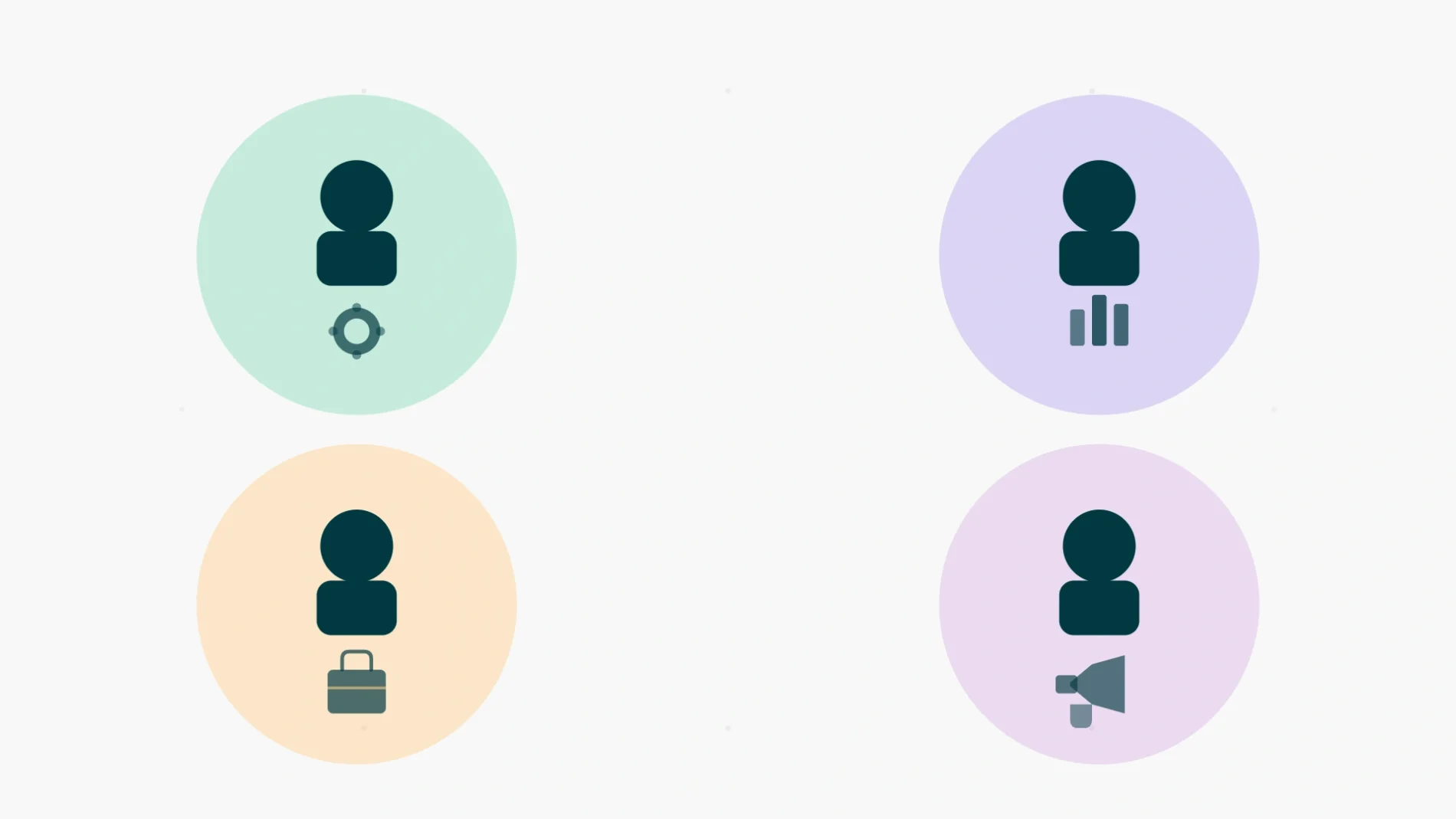
The depth pattern follows directly from the economy. Honduras has built decades of operational discipline servicing U.S. clients, which is why hiring developers in Honduras works for application-layer engineering and infrastructure support, while bilingual customer-facing roles run deeper than the engineering bench. Each function below maps to where tech talent in Honduras genuinely concentrates and where the supply tightens.
Technical & Engineering Teams

Technical talent in Honduras concentrates in application engineering, full-stack work, and infrastructure support rather than research-grade product engineering.
- Back-End Developers: Angular, JavaScript, Node.js, TypeScript, and PostgreSQL anchor the common stacks, with mid-level developers sourceable in San Pedro Sula and Tegucigalpa through UNITEC and UNAH pipelines.
- Python Back-End Developers: A growing pool, often coming out of UNAH or self-taught backgrounds tied to BPO automation and back-office tooling work for U.S. clients.
- Full-Stack Software Engineers: The largest single category by available headcount, with most candidates having worked on at least one U.S.-facing application before.
- Cloud Back-End Developers: Available with AWS and Azure exposure, primarily from professionals who supported migrations at BPO firms or enterprise software implementations.
- Cybersecurity Support Analysts: Mid-level supply concentrates here, while senior security engineers require longer search timelines and competitive packages.
- Enterprise Software Implementation Specialists: ERP, CRM, and Salesforce implementation profiles exist, built through years of shared-services and consulting work for U.S. and regional clients.
Go-To-Market (GTM), Finance & Marketing

GTM is where Honduras differentiates from other small LATAM markets, with bilingual sales and customer-facing operations forming the deepest commercial talent layer in the country.
- Account Executives (AE): Mid-market AE profiles exist, primarily from candidates who moved up through SDR roles at U.S.-aligned companies. Compensation runs around USD 950 per month before commission structure.
- Sales Development Representatives (SDR): The most readily sourceable GTM role, with deep supply from the BPO and customer-experience sector. Bilingual Business Development Representatives (BDR) is a strength here.
- Customer Success Managers (CSM): Strong supply at the associate and mid-tier level. Many candidates already operate inside U.S. tooling stacks like Gainsight, Zendesk, and Salesforce.
- Financial Analysts: Available with exposure to U.S. GAAP and bilingual reporting, primarily sourced from shared-services finance operations.
- Marketing Analysts and Digital Marketing Manager: Mid-level pool runs thinner, and performance marketing or demand-gen profiles with U.S. SaaS exposure require longer search timelines.
Security, Support & HR
Honduras carries its deepest absolute supply in this category, anchored by the BPO industry and built around servicing distributed teams for U.S. companies for over a decade.
- Bilingual Customer Support Representatives: Voice, chat, and email support span all three channels, with proficiency levels confirmed by EF EPI scores of 553 to 570 in the main cities. The largest available talent pool in the country.
- Technical Support Specialists (Tier 1 and Tier 2): Mid-level technical support staffed by professionals with experience supporting SaaS products. Often the bridge profile between customer support and engineering.
- Back-Office Operations Specialists: Available in data processing, document management, finance operations, and KYC workflows. Cost-efficient for U.S. companies scaling operations footprints.
- Recruiters and HR Specialists: People operations professionals with familiarity in the Código del Trabajo and bilingual capability for U.S. headquarters communication.
Every role above sits inside Honduras’s labor code, which means how a U.S. company hires shapes which protections, contributions, and risks transfer to the employer.
Honduras · HNL to USD
The lempira your budget pays, in real dollars
Convert Honduran lempiras to US dollars at today’s rate, then see what a decade of lempira movement means for what your Honduran hire actually costs you.
Reference rates, not a live daily feed. Live FX moves daily. Figures use annual average mid-market rates for historical years and a July 2026 reference rate for “Today.” Use this to plan, not to lock a contract.
USD to HNL, 10-year trend
Higher line = weaker lempira = your dollar buys more Honduran talent. The lempira slides gradually, about 16% over the decade.
Sources: Banco Central de Honduras / FRED annual average USD/HNL; latest spot rate, July 2026. Rates are period averages and will differ from any single day’s quote.
Ways U.S. Companies Can Hire Talent in Honduras
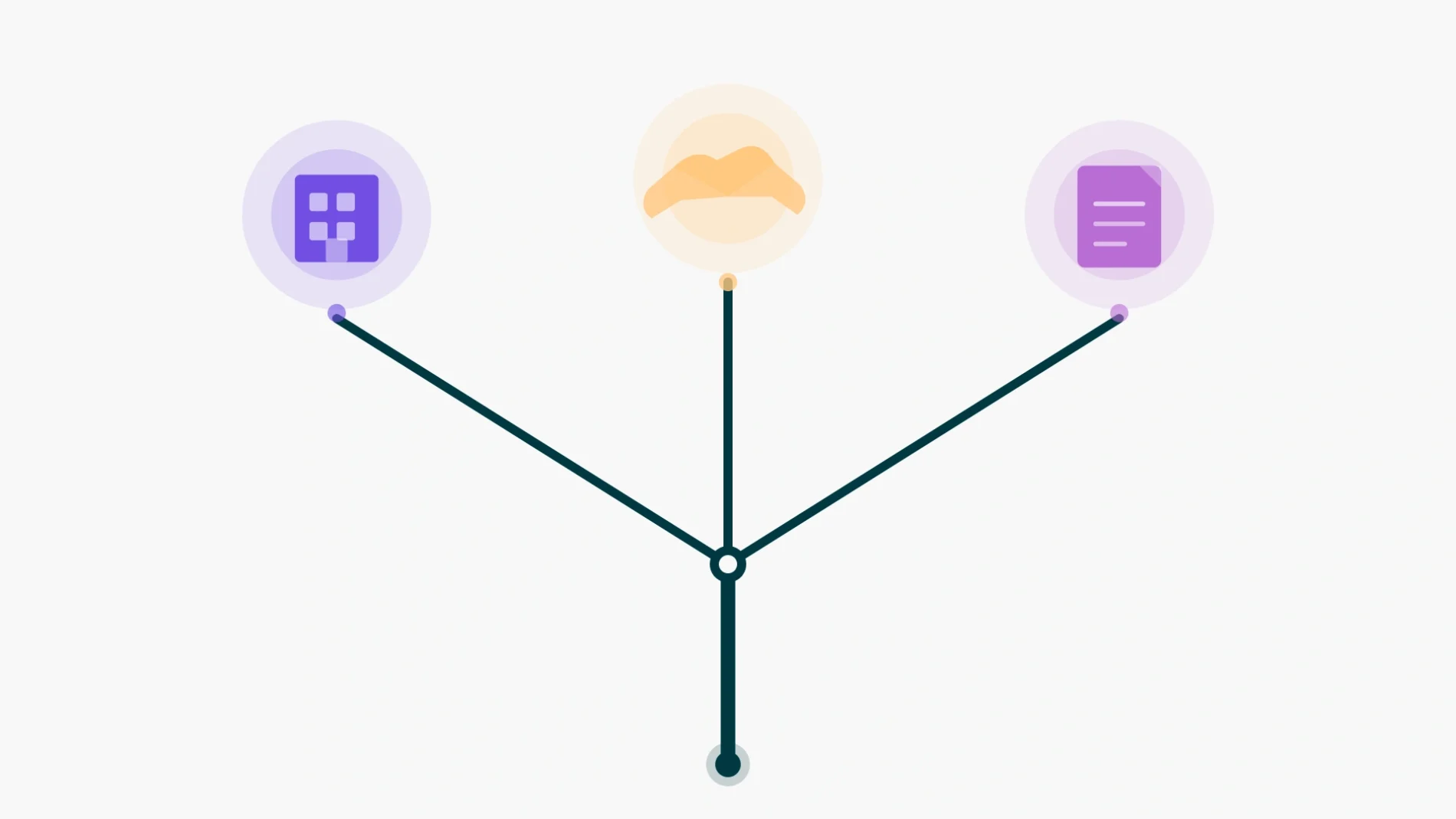
U.S. companies hire talent in Honduras through one of three legal structures: establishing a local entity, partnering with an employer of record in Honduras, or engaging independent contractors under service agreements. Choice depends on headcount plans, time horizon, and tolerance for employment compliance in Honduras, with each structure carrying a different cost profile and risk exposure.
Setting Up a Local Entity in Honduras

The two entity types foreign investors choose most often are the Sociedad Anónima (S.A.), equivalent to a corporation, and the Sociedad de Responsabilidad Limitada (S. de R.L.), closer to an LLC. Smaller operations register as a Comerciante Individual, and foreign companies opening a branch register as a sociedad extranjera through SAR. Registration runs through Mi Empresa en Línea, the digital portal operated by SENPRENDE and IP.
- Select entity type (S.A., S. de R.L., or Comerciante Individual)
- Complete a single online form with company details
- Upload identification for all partners and managers
- Submit the application to SENPRENDE and IP for review
- Receive portal confirmation within approximately one business day
State filing carries zero direct cost, but legal counsel, notarization where required, and downstream registrations with SAR, IHSS, RAP, and INFOP add expense and timeline. Once active, the entity assumes full obligations under the Código del Trabajo from the first hire onward.
- Written employment contract per the labor code
- Social security registration with IHSS, RAP, and INFOP
- Monthly payroll filings and statutory withholdings
- 13th and 14th-month salary accruals from day one
Entity setup makes financial sense for companies planning a permanent presence, a local team of meaningful size, or operations that need local invoicing capability. For a first or second hire, the administrative weight rarely justifies the setup cost before the team scales.
Use Employer of Record (EOR) in Honduras

An employer of record (EOR) is a third-party company that legally employs workers on behalf of a foreign client, handling contracts, payroll in Honduras, statutory contributions, and labor compliance while the client directs day-to-day work. Using EOR in Honduras removes the entity-setup step and moves the regulatory burden onto a provider that already operates inside the Código del Trabajo, folding Honduras into a global payroll setup without local infrastructure.
- Compliant employment contracts in Spanish
- Monthly payroll processing and statutory withholdings
- IHSS, RAP, INFOP, and RAP Reserve Labor contributions
- 13th and 14th-month salary accruals plus vacation accruals
- Termination handling and severance administration
Employer-side statutory burden in Honduras runs 28% to 33% above gross salary, driven by social security contributions, mandatory housing and training funds, the RAP Reserve Labor contribution introduced by Decreto 47-2024, and the 13th and 14th-month salary obligations that accrue automatically.
- Hiring 1 to 10 employees in Honduras without a local entity
- Running a pilot hire before committing to entity setup
- Building distributed teams in multiple LATAM countries
- Onboarding inside two to three weeks instead of two to three months
Deel, Remote, G-P, and Safeguard Global operate EOR coverage in Honduras and serve as the providers most commonly used by U.S. B2B SaaS companies entering the market.
Hire Independent Contractors in Honduras

Hiring contractors in Honduras delivers speed and flexibility for project-based work, while carrying the highest reclassification exposure of the three structures under Article 7 of the Código del Trabajo, which establishes joint and several liability between intermediaries and beneficiaries.
- Short-term technical projects with defined deliverables
- Specialized consulting outside the company’s regular operations
- Pilot engagements before converting to full-time
- Geographically distributed creative or freelance work
Worker classification in Honduras follows substance over form. Honduran labor courts treat a contractor as the true employer only when the contractor assumes commercial risk, uses its own means and tools, and retains technical and directive autonomy over the work.
Engagements that look like employment in practice trigger reclassification: fixed working hours, exclusivity, integration into the company’s normal operations, and economic dependence on a single client all move the relationship toward employee status.
When reclassification occurs, the U.S. company inherits retroactive severance, statutory contributions, and back-pay obligations from day one of the engagement.
- Scope work to specific deliverables, not ongoing time-based engagement
- Avoid exclusivity clauses and fixed schedules
- Require contractors to invoice through their own RTN and use their own tools
- Engage Honduran counsel before any contractor relationship extends past six months
For U.S. B2B SaaS companies hiring their first one to ten people in Honduras, EOR resolves the speed and compliance question without the setup weight of an entity, which becomes the right call once headcount stabilizes and local invoicing becomes operationally necessary.
The Código del Trabajo runs employee-protective by design. Hiring employees in Honduras under that code means severance accrues from the first day of service, statutory contributions stack above the gross salary line, and termination without documented cause carries calculated cost under employment regulations in Honduras. For U.S. employers, the financial exposure concentrates in three places: severance, mandatory benefits, and the employer-side contribution load.

Employment Laws in Honduras
Severance carries the largest financial weight. Article 120 of the Código del Trabajo sets the formula for unjust dismissal under an indefinite contract: 10 days of salary between three and six months of service, 20 days between six and twelve months, and one month of salary per year of service after the first year. The total caps at 25 months. Article 121 limits early termination of a lawful fixed-term or project contract to the remaining term or work, never exceeding the indefinite-contract amount.
Decreto 47-2024 introduced the RAP Reserve Labor contribution at 4% monthly, building an offsetting balance that credits or deducts against unjust-dismissal severance under Article 6 of the same decree. That contribution changes the math.
Payroll in Honduras runs monthly and carries its own compliance load.
- Employer social security contributions to IHSS
- RAP and FOSOVI housing fund contributions
- INFOP training levy
- RAP Reserve Labor contribution under Decreto 47-2024
- Income tax withholding under the SAR progressive scale
- 13th and 14th-month salary accruals charged monthly to the books
Companies hiring through an EOR transfer payroll execution, statutory filings, and termination administration to the provider. Operating through a local entity keeps every filing, audit, and severance calculation in-house with the company’s finance and HR teams.
Labor laws in Honduras reward employers who plan compensation around the full statutory load from day one, since severance accrues continuously and the gap between gross salary and total employment cost defines the real workforce budget.
Paid leave policies in Honduras are fixed by the Código del Trabajo and administered through IHSS, which means employee benefits in Honduras combine an IHSS-funded subsidy with employer top-up obligations in most categories.

Leave Policy in Honduras
| Maternity Leave10 weeks total: 4 weeks pre-birth and 6 weeks post-birth. Paid at full salary, with IHSS subsidy topped up by the employer. Dismissal protection applies during pregnancy and lactation. | Parental LeaveNo national shared parental leave entitlement exists beyond maternity and paternity rules. |
| Paternity LeaveNo statutory paid paternity leave exists under the Código del Trabajo. International employers commonly offer 5 to 10 days voluntarily to remain competitive in technical hiring. | Sick LeaveJob-protected suspension up to 6 months for non-occupational illness under Article 104, with salary obligations that scale by tenure. After 6 months, the employer may terminate with preaviso and severance under Article 105. |
IHSS provides the base subsidy during maternity leave, and the employer pays the gap between that subsidy and the worker’s full salary, manages the payroll mechanics during the absence, and holds the position open through the pregnancy and lactation window. Dismissal during that protected period exposes the company to reinstatement and back-pay claims regardless of cause. Temporary coverage planning and clear payroll documentation start before the leave begins.
Paternity leave is limited under national law. The Ley Especial para una Maternidad y Paternidad Responsable establishes parental responsibility principles but does not create a general paid leave entitlement under the labor code. SaaS companies hiring senior technical talent typically offer one to two weeks of paid paternity leave to match regional offers.
Article 104 protects the job for up to six months of non-occupational illness, and the employer pays a portion of salary that scales with how long the worker has been employed.
- Between 3 and 6 months of service: half salary for 1 month
- Between 6 and 9 months of service: half salary for 2 months
- Above 9 months of service: half salary for 3 months
- Above 5 years of service: 30 days of salary per year of service
After the six-month protected period, Article 105 allows termination with preaviso, severance, and applicable indemnities. Workforce budgeting in Honduras accounts for scaled sick leave obligations from the first long-tenure hire, alongside IHSS contributions and the standard accruals.
Remote Work Regulations in Honduras

Honduras has no dedicated telework law. Companies that hire remote employees in Honduras operate under the general Código del Trabajo and the terms of the individual employment contract.
That absence pushes weight onto the contract itself. Working hours, availability windows, performance expectations, and reporting lines all need to live in the written agreement, since the default labor code rules assume traditional fixed-location employment whenever the contract leaves a question open.
Even without legislation, the state recognizes telework operationally. SETRASS administers the SisTT system for telework registration, and the ILO documented in 2023 that telework became internalized in many Honduran companies after the pandemic. Remote hiring in Honduras enters a market where distributed teams already operate at scale.
No nationwide right-to-disconnect statute exists in Honduran law. Employers building asynchronous teams define availability and after-hours expectations contractually, since the labor code draws no boundary on its own.
Equipment reimbursement carries no national statutory requirement. Internet stipends, laptop provision, and coworking allowances flow from the employment contract or company policy. Market practice for technical hires in Honduras leans toward employer-provided hardware, with any obligation tracing back to the contract itself.
Data protection sits in the same gap. Honduras has no dedicated data protection statute, and remote workforce arrangements rely on the employer’s internal security policies and any client compliance obligations the company already carries. The remote-work contract in Honduras covers schedule, availability, equipment, and data handling because nothing else does.
Common Benefits & Perks Expectations in Honduras

Base salary alone does not close senior bilingual offers in Honduras. The candidates U.S. SaaS companies want already hold or evaluate offers from international employers, and the package outside the paycheck typically tips the decision. Employee benefits in Honduras stack on top of statutory employee benefits, and the layering decides retention more than the headline number does.
- Private Health Insurance: IHSS covers the statutory baseline, while senior professionals expect private medical insurance extending to immediate family. Family coverage shortens time to acceptance and reduces early attrition among experienced hires.
- Life Insurance: Mid-to-large international employers carry life insurance as standard, and senior candidates increasingly expect it. The employer cost stays modest, and the inclusion separates serious long-term offers from short-term ones.
- Additional Paid Time Off: Statutory vacation grows with tenure, and tech employers competing for experienced engineers add a birthday day off plus extra days beyond the minimum from year one. Candidates with international exposure already operate in results-based environments and value autonomy over time more than the raw day count.
- Performance Bonuses: Variable compensation tied to KPIs matches how SaaS operating models pay the rest of the team. Annual or quarterly bonuses linked to revenue, retention, or product milestones align with what bilingual professionals already see at international employers.
- Remote Work Stipend: Honduras imposes no statutory internet or equipment reimbursement, so the stipend works as competitive positioning. Standard market practice covers internet, an employer-provided laptop, and a coworking allowance for professionals working outside the home part of the week.
- Meal or Transport Allowance: Honduran employers commonly include meal or transport support, and candidates moving from local BPO or shared-services backgrounds expect it. A meal stipend or grocery card translates to immediate perceived value, even for fully remote roles.
- Professional Development Budget: Certification reimbursement, online course access, and English-language classes carry weight in Honduras, since technical professionals treat English fluency as the bridge to international careers. A training budget signals long-term investment rather than transactional hiring.
- Flexible Working Hours and Wellness Support: Async schedules already run as the default in Honduras’s tech and BPO sectors, reflecting a work culture in Honduras built around autonomy and outcome. Mandating fixed in-office hours creates friction during sourcing, and wellness or mental health programs round out the package that experienced hires evaluate before accepting.
Senior technical professionals in Honduras compare offers against what international employers put on the table. An offer missing two or three of the items above loses to competitors that include them, regardless of base salary.
Layering supplemental benefits costs the employer less than inflating base salary by the equivalent amount, and each benefit carries independent retention value that survives currency fluctuation and salary band compression.
Statutory Time Off in Honduras

The Código del Trabajo mandates paid annual vacation that scales with tenure, plus 11 national public holidays in 2026. Both directly affect sprint planning, coverage rotations, and headcount math for U.S. teams managing Honduras-based hires.
Paid Time Off (Vacation) in Honduras
Vacation accrues in working days after each year of continuous service, and the employer must grant the leave within three months of the date the worker becomes entitled.
- After 1 year of service: 10 working days
- After 2 years of service: 12 working days
- After 3 years of service: 15 working days
- After 4 or more years of service: 20 working days
Accrued days cannot be cashed out during active employment except on termination, when unused balance pays out as part of final settlement. Carry-over requires written agreement between employer and worker.
Honduras’s Public Holidays
Honduras observes 11 national public holidays in 2026, and workers who agree to work on a public holiday or rest day earn double their ordinary salary plus a substitute rest day in the following week.
- January 1: New Year’s Day
- April 2: Maundy Thursday
- April 3: Good Friday
- April 4: Holy Saturday
- April 20: Pan America Day Holiday
- May 1: Labor Day
- September 15: Independence Day
- October 7: Morazán’s Week Holiday
- October 8: Morazán’s Week Holiday
- October 9: Morazán’s Week Holiday
- December 25: Christmas Day
The April cluster around Easter and the October cluster around Morazán’s Week each pull three or four consecutive days off the calendar, which compresses capacity twice a year and shapes how U.S. teams plan client-facing coverage, release timing, and on-call rotations in those windows.
How LatamCent Can Help You Hire in Honduras

Most US founders finish a country-by-country labor breakdown like the one above and reach the same conclusion: they want a partner who already does this for a living. That is the job, in Honduras specifically.
LatamCent runs sourcing and compliance as a single workflow. We recruit inside the networks where senior Honduran engineers, product leads, and operations talent move, then carry the contract, payroll, IHSS, RAP, INFOP, and SAR filings, and all legal aspects under a contractor-on-record model. One USD invoice goes to you each month. The Honduran compliance footprint stays with us.
For US B2B SaaS teams, a Honduras engagement looks like this in practice:
- 21-day average from kickoff to signed offer
- 93% first-placement success rate
- 60-day replacement coverage on every hire
- Pre-vetted shortlists with technical and English screening built in
- Engineering, AI, data, GTM, finance, and people roles under one partner
If Honduras is already on your shortlist for an engineering, data, or GTM hire, the next step is a 30-minute scoping call. We will tell you whether the role is sourceable in your timeline before you spend cycles on it.
Frequently Asked Questions About Hiring in Honduras
Yes. US companies hire talent in Honduras through one of three legal structures: establishing a local entity, partnering with an employer of record (EOR) in Honduras, or engaging independent contractors under service agreements. Each structure carries a different cost profile and risk exposure, and every employment relationship sits inside Honduras’s Codigo del Trabajo.
Employer-side statutory burden in Honduras runs 28% to 33% above gross salary. This is driven by social security contributions, mandatory housing and training funds, the RAP Reserve Labor contribution introduced by Decreto 47-2024, and the 13th and 14th-month salary obligations that accrue automatically. An EOR removes the entity-setup step and handles payroll, statutory contributions, and labor compliance on your behalf.
A senior software engineer in Honduras runs roughly USD 1,930 to 2,555 per month. For comparison, US software developers earned a median annual wage of around USD 133,080 in May 2024, which puts the Honduras senior engineer at roughly 4.3 to 5.7 times less than the US equivalent. SDRs and account executives run USD 950 to 1,150 per month, and customer success runs USD 550 to 850.
No. Using an EOR in Honduras removes the entity-setup step and moves the regulatory burden onto a provider that already operates inside the Codigo del Trabajo. For US B2B SaaS companies hiring their first one to ten people, an EOR resolves speed and compliance without the setup weight of an entity, which becomes the right call once headcount stabilizes and local invoicing becomes operationally necessary.
Honduras runs UTC-6 year-round with no daylight saving time, producing eight hours of overlap with US Eastern Standard Time and seven hours during Daylight Time. Standups, code reviews, customer escalations, and live unblocking all happen inside a shared business day, which is the operational baseline US teams look for.
The standard day schedule is 8 hours per day and 44 hours per week paid as 48, with a night schedule of 6 hours per day (36 per week) and a mixed schedule of 7 hours per day (42 per week). Overtime premiums are 25% for daytime hours, 50% for nighttime hours, and 75% when overtime extends into nighttime work. The probation period runs up to 60 calendar days in writing, and indefinite contracts are the legal default for permanent or continuous work.