



Quick Facts About Argentina

| Official LanguageSpanish | Time ZoneArgentina Standard Time (ART), UTC-3 |
| English Speaking10-15% | Capital CityBuenos Aires |
| CurrencyArgentine peso (ARS) | Top Talent HubsBuenos Aires, Córdoba, Mendoza |
| Payroll CycleMonthly | Internet Connectivity88 % internet penetration |
| Popular IndustriesAgriculture, automotive, energy, IT & software services, finance & fintech, tourism | Average Internet Speed10–30 Mbps (varies by source) |
| Dial code+54 | Taxpayer IDCUIT / CUIL |
| Top International CompaniesGoogle, IBM, Microsoft, Oracle, HP | Tech Startups1,100+ tech startups, including several unicorns. Such as: Mercado Libre, Globant, and Uala. |
Argentina’s Economy
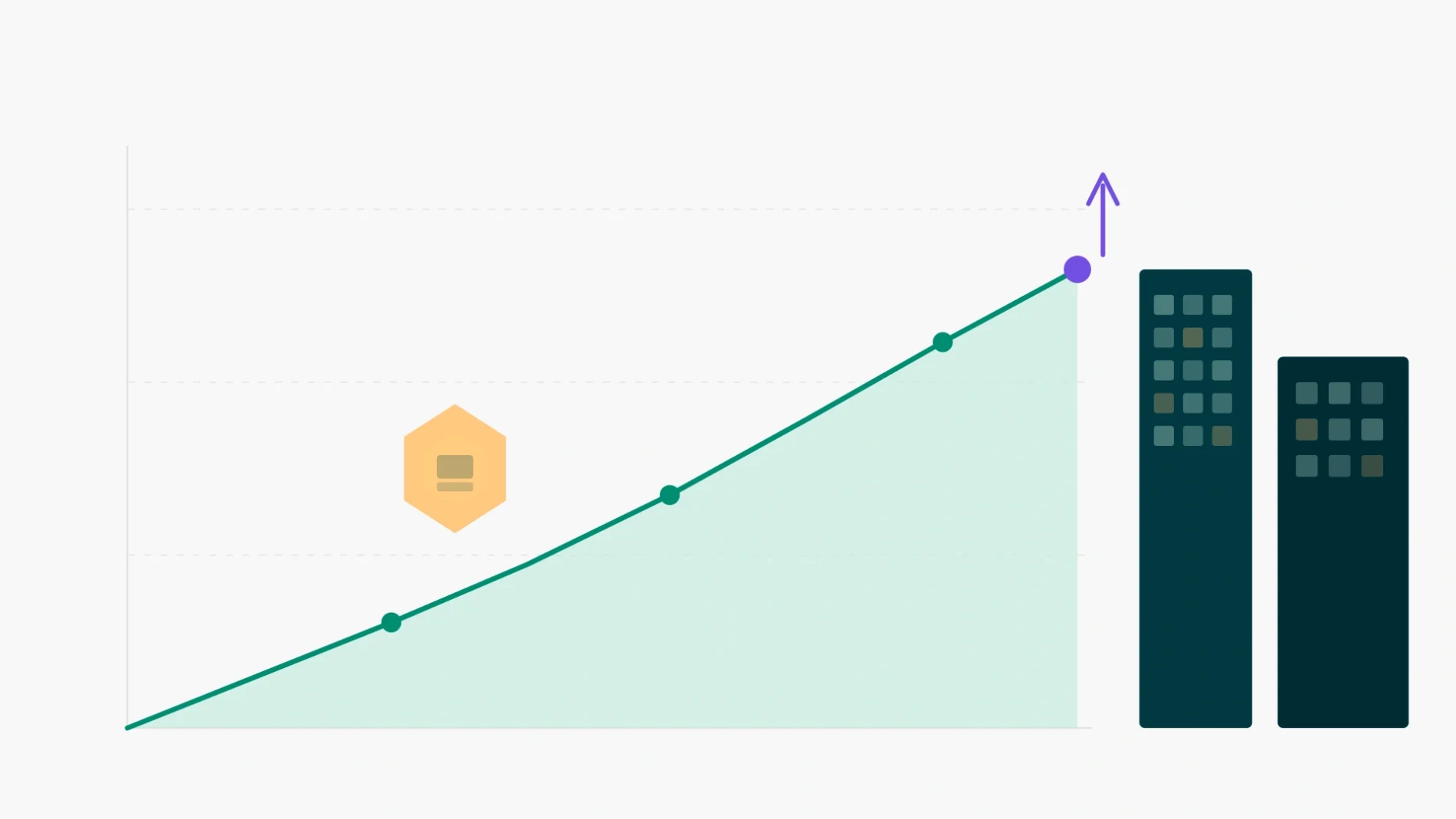
Argentina has the third-largest economy in Latin America, with a GDP of roughly $600–650 billion in recent years. Agriculture, energy, manufacturing, and knowledge-based services drive most of the country’s output.
Agricultural exports such as soybeans, corn, and beef generate a large share of foreign revenue. Energy production has grown through the Vaca Muerta shale reserve, strengthening oil and gas output. Manufacturing and automotive production also contribute meaningfully to GDP.
Inflation has exceeded 200% in recent periods, directly affecting salaries and pricing structures. For employers hiring in Argentina, compensation is frequently indexed or benchmarked to USD to protect purchasing power.
Technology and professional services exports continue to expand, supported by tax incentives under the Knowledge Economy Law. Skilled engineers and software developers represent a strong share of export-driven growth.
Economic volatility requires structured planning. However, the country remains attractive for companies seeking educated, cost-competitive talent in Latin America.
Why Should US-Based B2B SaaS Companies Hire in Argentina?

US-based B2B SaaS companies hire in Argentina for one clear reason: high technical talent at competitive cost, operating in a US-aligned time zone.
Argentina produces more than 100,000 university graduates per year, with strong programs in engineering, computer science, and economics. Universities like the University of Buenos Aires (UBA) and ITBA have built a steady pipeline of developers, data analysts, and product specialists who already work with global teams.
Time zone overlap matters more than most founders expect. Argentina operates on UTC-3, which gives 4–6 hours of overlap with US Eastern Time. Daily standups, sprint planning, and customer calls happen during regular working hours.
No midnight Slack messages. No awkward handoffs.
English proficiency is solid within the tech sector. Many professionals work directly with US clients and are comfortable communicating in written and spoken English. That reduces onboarding friction and shortens ramp-up time.
Cost structure is another practical factor. Salaries remain lower than US benchmarks, even for senior engineers, due to local economic conditions. Inflation drives frequent local salary adjustments, but from a USD perspective, total compensation remains competitive.
Argentina also has a mature remote-work culture. Distributed collaboration is normal. Many SaaS teams already integrate Argentine developers into global product squads.
For B2B SaaS companies building:
- Engineering teams
- QA and DevOps
- Customer support (technical)
- Product operations
- Fintech and payments solutions
Argentina offers scale, depth, and reliability.
Hiring requires understanding local labor laws, payroll structure, and tax registration (CUIT/CUIL). Companies typically work with an Employer of Record (EOR) or establish a local entity to stay compliant.
If your SaaS roadmap depends on strong engineering execution and real-time collaboration with the US, Argentina fits the model well.
Popular Roles to Hire in Argentina

Technical & Engineering Teams

Argentina is known for strong technical talent in the main engineering functions. Top roles B2B SaaS companies commonly hire include:
- AI / Machine Learning Engineers: Model development, data pipelines, NLP, computer vision specialists
- Back-End Engineers: Python, Java, Go developers with API and microservices experience
- Front-End Engineers: React, Angular, Vue developers focused on responsive UI
- Full-Stack Developers: End-to-end product contributors across front and back end
- Crypto / Blockchain Developers: Smart contracts (Solidity), DeFi protocols, blockchain integration
These roles are in high demand in Argentina’s growing tech market, where engineers usually work on global products and remote-first teams.
Go-To-Market (GTM), Finance & Marketing

Argentine professionals fill a wide range of go-to-market roles. Common hires include:
- GTM & Sales
- Sales Development Representatives (SDRs)
- Account Executives (AEs)
- Customer Success Managers (CSMs)
- Sales Engineers / Solutions Engineers
- Revenue Operations Specialists
- Finance & Operations
- Financial Analysts
- FP&A (Forecasting & Planning) Analysts
- Accounting & Payroll Specialists
- Revenue Accountants (SaaS subscriptions/T&M models)
- Marketing
- Growth Strategists
- Web Content Managers & Demand Gen Specialists
- Performance Marketing Managers & Paid Media Buyers
Argentina has a strong pool of bilingual GTM and finance professionals who are familiar with SaaS commercial motions and US market expectations.
Security, Support & HR
Support functions are also widely staffed with local talent capable of working with international teams:
- Cybersecurity & IT
- Security Analysts
- SOC (Security Operations Center) Analysts
- DevSecOps Engineers
- Network / Cloud Security specialists
- Customer Support
- Technical Support Representatives
- Support Team Leads (English-proficient)
- Implementation / Onboarding Specialists
- Human Resources
- HR Business Partners
- Talent Acquisition / Recruiters
- People Operations Coordinators
These roles benefit from Argentina’s educated workforce and familiarity with US-standard processes across HR and customer-facing functions.
Argentina · ARS to USD
The peso your budget pays, in real dollars
Convert Argentine pesos to US dollars at today’s rate, then see why a decade of peso history makes USD the only sane contract currency.
Reference rates, not a live daily feed. Live FX moves daily and Argentine salaries reprice with inflation. Budget and contract in USD; figures use annual average official rates.
USD to ARS, 10-year trend
The peso has lost about 99% of its value against the dollar since 2016, but Argentine salaries reprice with inflation. This chart is why every cross-border contract in Argentina is quoted in USD.
Sources: BCRA / U.S. Federal Reserve (FRED) annual average USD/ARS; latest spot rate, July 2026. Rates are period averages and will differ from any single day’s quote.
Ways U.S. Companies Can Hire Talent in Argentina

U.S. companies have three main paths to legally hire talent in Argentina. Each comes with trade-offs in cost, compliance, and speed. The right choice depends on your hiring volume, long-term plans, and risk tolerance.
Setting Up a Local Entity Setup in Argentina
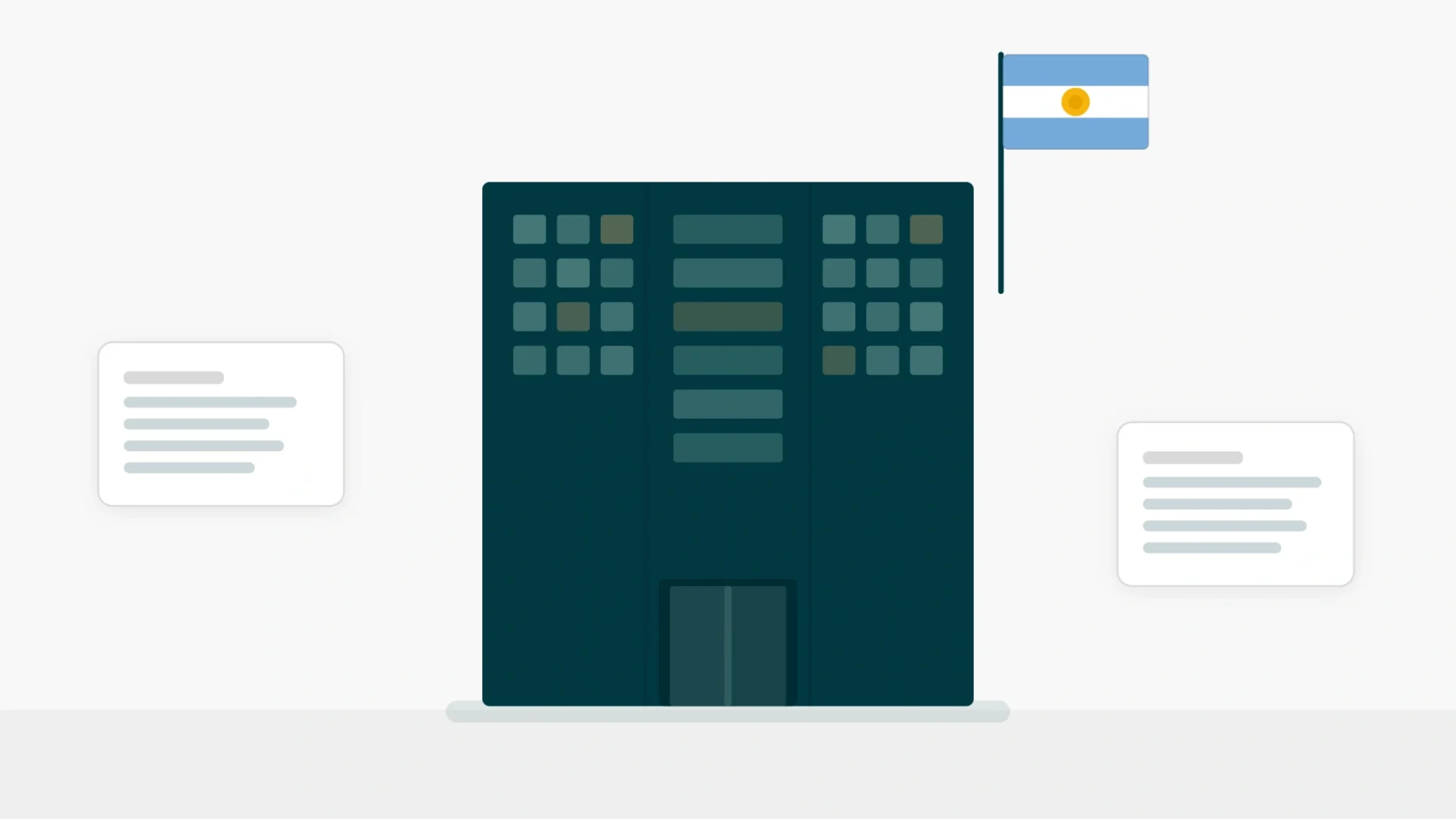
Opening a local subsidiary gives you full control over hiring, payroll, and operations. Most foreign companies register as Sociedad Anónima (S.A.) or Sociedad por Acciones Simplificada (SAS).
Key steps include:
- Registering with the Public Registry of Commerce
- Obtaining a corporate tax ID (CUIT)
- Opening a local bank account
- Registering for social security and payroll taxes
- Appointing a legal representative in Argentina
Labor law in Argentina is protective of employees. Employment contracts must follow local regulations covering:
- Mandatory social security contributions
- 13th-month salary (Aguinaldo)
- Paid annual leave
- Severance calculations tied to tenure
Entity setup can take several weeks to months, depending on documentation and legal coordination. Legal, accounting, and administrative costs add up, so this route makes sense if you plan to hire multiple employees long term.
Companies choosing this option usually want an operational presence, brand visibility, or local invoicing capabilities.
Use Employer of Record Argentina

An Employer of Record (EOR) allows U.S. companies to hire full-time employees in Argentina without opening a local entity.
The EOR becomes the legal employer on paper. Your company directs the employee’s day-to-day work.
The EOR handles:
- Local employment contracts
- Payroll processing
- Tax withholdings and social security contributions
- Benefits administration
- Compliance with Argentine labor law
This model reduces administrative burden and accelerates hiring. Teams can onboard talent in weeks rather than months.
EOR works well for:
- Testing the market
- Hiring 1–10 employees
- Remote-first SaaS teams
- Avoiding long-term legal exposure
Cost is typically a monthly fee per employee or a percentage of payroll.
Companies expanding gradually into Argentina usually start here before considering an entity.
Hire Independent Contractors in Argentina

Hiring independent contractors offers flexibility and lower administrative burden. Contractors invoice for services and handle their own taxes.
This approach works well for:
- Short-term projects
- Specialized technical expertise
- Early-stage hiring before building a core team
However, classification risk matters. Argentine labor law can reclassify contractors as employees if the relationship resembles formal employment. Risk factors include:
- Fixed schedules
- Exclusive service agreements
- Direct supervision
- Long-term engagement
Misclassification can lead to fines, back payments, and legal disputes.
Many companies reduce risk by:
- Drafting clear service agreements
- Avoiding exclusivity clauses
- Paying against deliverables
- Working with legal advisors familiar with local rules
Contracting offers speed. Entity setup offers control. An EOR balances both.
Your hiring model should match your expansion plan, risk tolerance, and headcount goals in Argentina.
Employment Laws in Argentina
Indefinite employment is the norm. Termination without cause triggers mandatory severance equal to one month of salary per year of service, plus proportional payments for unused leave and the 13th salary.
Payroll compliance requires:
- Monthly salary payment in ARS
- Employer social security contributions
- Income tax withholding
- Mandatory benefit payments
Companies hiring through an Employer of Record typically transfer compliance responsibility to the provider. Businesses opening a local entity must manage payroll, reporting, and statutory payments directly.
Argentine labor law favors employee stability. Workforce planning should account for severance exposure and benefit obligations from day one.
Leave Policy in Argentina
| Maternity Leave90 days total (45 days before birth and 45 days after, adjustable). Paid through the social security system (ANSES). Job protection applies. | Parental LeaveNo extended shared parental leave beyond maternity/paternity under national law. Some collective agreements may grant additional days. |
| Paternity Leave2 calendar days. Paid by the employer. | Sick Leave3 to 12 months paid sick leave, depending on seniority and family dependents. Employer pays salary during this period. Medical certificate required. |
Maternity leave compensation is funded through social security, not directly by the employer, although administrative registration is required. Job stability protections are strict during pregnancy and shortly after childbirth.
Paternity leave remains limited under current law. Many international companies voluntarily extend this benefit to stay competitive in hiring.
Sick leave duration depends on tenure:
- Less than 5 years of service: 3 months (6 months if employee has dependents)
- More than 5 years of service: 6 months (12 months with dependents)
Long-term illness protections can extend employment stability. Terminating during protected periods carries legal risk.
When budgeting for Argentine hires, leave costs and temporary coverage planning should be factored in early.
Remote Work Regulations in Argentina

Remote work in Argentina is regulated under Law No. 27,555 (Telework Law). The law applies when services are performed, in whole or in part, outside the employer’s premises using digital tools.
A written agreement is required. The employment contract or an addendum must specify job duties, working hours, and the tools provided. Employers cannot impose telework unilaterally; employee consent is mandatory.
Employees have a legal right to disconnect outside agreed working hours. Companies cannot require responses to messages, emails, or calls during rest periods or leave. For U.S. employers, aligning expectations with Argentina’s UTC-3 time zone helps avoid compliance issues.
Employers must provide the necessary equipment for remote work. If personal equipment is used, compensation must be agreed upon. Connectivity expenses, such as internet services, must be reimbursed or covered through a fixed allowance.
Employees who previously worked onsite may request to return to in-office work if space is available. That reversibility right mainly affects companies with a physical presence in Argentina.
Data protection laws in Argentina also apply. Employers must implement appropriate security measures when handling personal or customer data remotely.
Remote hiring is common in Argentina. Compliance requires written agreements, expense coverage, and respect for working hour boundaries.
Common Benefits & Perks Expectations in Argentina

Salary matters. Stability and meaningful benefits matter just as much.
Top talent in Argentina evaluates offers beyond base compensation. Inflation, labor protections, and a competitive tech market shape expectations. U.S. B2B SaaS companies that understand this close hires faster and reduce offer rejections.
Here’s what strong candidates typically look for:
- Private health insurance (Prepaga): Employers must provide basic health coverage through the social security system (obra social). Senior professionals, however, expect upgrades to private health insurance. Prepaga plans offer faster access, better facilities, and broader coverage. Many tech employers cover the full premium or subsidize family plans.
- Additional paid time off (PTO): Statutory leave ranges from 14 to 35 calendar days, depending on seniority. Competitive companies offer additional days beyond the legal minimum and flexible vacation policies. Tech candidates value autonomy over time management.
- Performance bonuses: Variable compensation tied to performance is common in sales, leadership, and technical roles. Annual or quarterly bonuses linked to KPIs attract experienced professionals used to U.S.-style incentive models.
- USD-linked compensation or adjustments: Due to inflation, candidates usually request partial salary indexing to USD or periodic compensation reviews. Structured adjustments help maintain purchasing power and improve retention.
- Remote work stipends: Internet reimbursement is required under telework regulations. Many employers go further, offering coworking allowances or home office stipends.
- Professional development support: Certifications, online courses, and conference budgets are attractive to engineers and GTM professionals. Talent in Argentina actively invests in career growth.
- Flexible work arrangements: Hybrid schedules, flexible hours, and results-based performance evaluation appeal to experienced professionals working with U.S. teams.
- Wellness & mental health programs: Access to therapy platforms, wellness reimbursements, or gym memberships can differentiate offers in competitive hiring markets.
Argentine professionals are used to strong statutory protections. Competitive employers layer additional benefits strategically rather than inflating base salary alone.
Clear benefit structure, transparent compensation review cycles, and documented bonus frameworks improve acceptance rates and long-term retention.
Statutory Time Off in Argentina

Argentina mandates paid annual leave and observes numerous national public holidays. Employers must comply with minimum entitlements defined by labor law.
Paid Time Off (Vacation) in Argentina
Vacation entitlement depends on seniority and is calculated in calendar days, not business days.
- 0–5 years of service: 14 calendar days
- 5–10 years: 21 calendar days
- 10–20 years: 28 calendar days
- 20+ years: 35 calendar days
Employees must take a vacation between October 1 and April 30, unless otherwise agreed. Payment must be made before the leave period begins.
Accrued vacation is mandatory. Employers cannot replace statutory leave with cash compensation, except upon termination.
To qualify for full annual leave, an employee must have worked at least half of the working days in the calendar year. If not, leave is granted proportionally.
Argentina Public Holidays
Argentina observes several national holidays each year. Employees who work on a public holiday are entitled to double pay.
Key public holidays include:
- New Year’s Day: January 1
- Carnival: February or March (2 days, movable)
- National Day of Remembrance for Truth and Justice: March 24
- Malvinas Day: April 2
- Labor Day: May 1
- May Revolution Day: May 25
- General Martín Miguel de Güemes Day: June (movable)
- General Manuel Belgrano Day: June 20
- Independence Day: July 9
- General José de San Martín Day: August (movable)
- Day of Respect for Cultural Diversity: October (movable)
- National Sovereignty Day: November (movable)
- Immaculate Conception: December 8
- Christmas Day: December 25
Movable holidays may move to create long weekends.
Companies hiring in Argentina should factor both vacation entitlements and public holidays into workforce planning, particularly for client-facing or support teams.
How LatamCent Can Help You Hire in Argentina

LatamCent sources, vets, and places Argentine talent into full-time remote roles for B2B SaaS companies. Engineering, GTM, finance, and operations are all covered under one engagement.
Most customers use the contractor-on-record model. LatamCent becomes the legal employer on paper, handling local contracts, payroll, and statutory contributions in Argentina. You direct the work. No entity setup required.
Candidates undergo a multi-step technical screening before their profile reaches your team. Roles are filled in 21 days or less on average, with a 93% first-placement rate and a 60-day replacement guarantee if something does not work out.
Engagements typically start with one role.
As the team grows, LatamCent has the depth to scale a full product squad, a sales development team, or a distributed finance function in Argentina or anywhere in Latin America without starting the search from scratch each time.