



Hiring in Latin America lets U.S. teams tap talent in Latin America without slowing momentum or inflating budgets.
The region delivers qualified candidates with strong English, modern technical skills, and a natural cultural fit for remote collaboration. Many professionals are pre-vetted candidates from top schools and brands, including tech giants, and operate in U.S.-friendly time zones.
- Cost savings: Companies often reduce talent spend by up to 50% while maintaining quality.
- Depth of skills: A growing pipeline of software developers, analysts, and GTM pros thanks to sustained investment in tech education.
- Clear communication: A large portion of the workforce is bilingual, supporting smooth handoffs and documentation.
- Legally compliant options: Use an Employer of Record (EOR) for employees or engage contractors with role-appropriate scopes and no fixed hours to avoid misclassification.
- Efficient recruiting: Tailored job descriptions, skill-based assessments, and local job boards help you find professionals fast, with no hidden fees or surprises when partnered with the right recruiting service.
Read on!
Key Takeaways:
-
How to hire in Latin America has become a key strategy for U.S. companies seeking cost-efficient, skilled, and bilingual professionals.
-
The region offers a deep pool of software developers, marketers, finance experts, and virtual assistants with strong technical training and cultural alignment.
-
Companies can reduce talent costs by up to 50% compared to U.S. hiring while maintaining quality and reliability.
-
Shared time zones with North America enable real-time collaboration and faster execution for remote teams.
-
Labor laws in most Latin American countries require written contracts and guarantee benefits like paid vacation, health coverage, and a 13th-month bonus.
-
Countries such as Mexico, Colombia, Brazil, and Argentina stand out for their mature tech ecosystems and highly educated workforce.
-
Using local recruiting services or an Employer of Record (EOR) simplifies compliance, payroll, and onboarding across multiple jurisdictions.
-
The region’s bilingual professionals are fluent in English and Spanish or Portuguese, easing cross-border communication and documentation.
-
Pre-vetted candidates with experience at tech giants and global companies help startups and enterprises scale quickly and safely.
-
LatamCent, a nearshore hiring company, helps SaaS and growing businesses build compliant, high-performing teams across Latin America with no hidden fees.
Why Should US-Based Companies Hire Latin American Employees?
For many U.S.-based SaaS teams, hiring in Latin America is a valuable way to build strong remote teams without slowing execution or inflating costs.
- Access to a large pool of qualified candidates
- Strong time zone alignment with U.S. teams
- High language proficiency and clear communication
- Cost-effective hiring without quality tradeoffs
- Flexible hiring options under local regulations
The Latin American region offers a growing pool of skilled professionals in software development, operations, finance, and customer-facing roles. There are many LATAM countries where SaaS companies can hire the best sales talent.
Many LATAM candidates bring experience from global companies and solid academic backgrounds, which supports consistent hiring quality on different teams.
Time zone alignment plays a major role in day-to-day collaboration.
Most countries in the region operate within similar working hours to the U.S., which allows teams to collaborate in real time, move faster on decisions, and avoid the delays that come with distant regions.
Communication is another advantage. A large share of Latin American talent is bilingual, which reduces language barriers and supports clearer documentation, meetings, and reporting from day one.
From a cost perspective, hiring in the region can reduce overall spend compared to U.S. equivalents while still securing top talent. The difference comes from regional market conditions, not lower standards.
Finally, companies can choose how they hire.
Teams may work with independent contractors, hire full-time employees through an Employer of Record, or combine models based on growth needs.
Do You Need a Local Entity to Hire in Latin America?
U.S.-based companies can hire in Latin America without opening a local office, and many do exactly that as part of a modern hiring process for remote talent.
Here’s how SaaS teams approach it:
- Hire remote employees through an Employer of Record (EOR)
- Work with independent contractors for flexible roles
- Partner with a recruiting or nearshore hiring service that supports hiring in different countries
Using these models lets teams hire remote talent from the regional talent pool without setting up a legal entity in every Latin American city where candidates live. That process saves time, reduces legal risk, and avoids hidden costs associated with local incorporation.
An EOR model is common for full-time hires. The EOR becomes the employer of record locally and manages payroll, health insurance, statutory benefits, and compliance with local labor laws. This makes sense for teams that want great employees and long-term stability without having to manage country-specific rules internally.
Contractor hiring is another option, especially for project-based work or early-stage teams. It offers flexibility and faster access to skilled professionals, though expectations must stay clear. Fixed hours and employee-style control can introduce compliance issues, so contracts and scopes need to stay tight.
Across these models, companies still compete for top talent.
Clear job descriptions, early checks on language proficiency, and realistic expectations around company culture help teams find the best candidate and support seamless collaboration within remote teams.
The result is access to top-tier remote talent from Latin America today, often at a cost-effective level compared to US equivalents, without the overhead of setting up local entities.
What Kind of Roles Can I Hire in Latin America?
Latin America offers a wide range of qualified candidates across industries, from software developers and virtual assistants to finance, marketing, and sales professionals.
Thanks to strong educational systems and growing investment in technology, the region provides a steady pipeline of skilled workers ready to integrate with global teams. AI engineering talent in Latin America is booming.
Roles companies usually hire in Latin America:
- AI Engineering: Latin America is rapidly becoming a hub for AI and machine learning talent, supported by universities and private programs focused on data science and automation. Professionals in this field bring strong analytical skills, experience with predictive modeling, and familiarity with modern frameworks such as TensorFlow and PyTorch. You can find experts such as data scientists, speech recognition engineers, and deep learning engineers ready to contribute to global projects.
- Full Stack Developers: These developers are skilled in both front-end and back-end technologies, enabling them to deliver complete digital products efficiently. Latin America offers a growing number of full-stack professionals trained in agile environments. Teams often include full-stack software engineers, QA testers, and JAMstack engineers.
- Back-End Specialists: They typically bring expertise in APIs, databases, and microservices, ensuring strong application performance and seamless integration. Companies can easily source DevOps, microservices engineers, and Python developers to power their platforms with reliable infrastructure and clean architecture.
- Front-End Developers: They combine technical precision with design sensibility, producing user-friendly and responsive interfaces. They are experienced in frameworks such as React, Vue, and Angular, and emphasize accessibility and user experience in their work. Many teams hire Angular developers, mobile developers, and Storybook developers to create products that look great and perform seamlessly across devices.
- Crypto Engineers: The region has produced developers experienced in decentralized applications, smart contracts, and fintech solutions. Latin America’s strong startup scene makes it ideal for finding professionals who understand innovation and compliance in the Web3 space. Employers often build teams with DeFi developers, cryptography engineers, and blockchain game developers who can scale blockchain projects securely and efficiently.
- Marketing and Sales: SDRs, AEs, and GTM architects who understand U.S. markets and operate in aligned time zones for smoother collaboration. Also, teams hire for content marketing managers and marketing operations.
- Finance and Operations: Staff accountants, controllers, and valuation analysts offering precision and reliability for back-office functions.
- Customer Support and Service: Bilingual client success managers and CSMs who provide real-time communication across North and South American time zones.
- **Virtual Assistants:** Professionals skilled in project coordination, scheduling, and client communication.
Hiring Latin American candidates helps companies find professionals who bring technical strength and cultural fit. Many have worked with tech giants and international clients, offering valuable experience without the high cost of hiring in other countries.
Companies that partner with nearshore hiring experts can access pre-vetted candidates, ensure every hire is legally compliant, and save up to 50% on annual hiring costs, all while building teams that feel like part of the company from day one.
With its mix of talent, adaptability, and time zone alignment, Latin America is one of the best regions to source the perfect candidate for any growing business.
How to Hire Employees in Argentina

Argentina has a structured employment background with strong worker protections and sophisticated labor institutions. Its well-educated workforce supports dynamic industries such as technology and manufacturing, making the country appealing for companies looking to hire skilled professionals.
However, employers should be prepared to deal with complex compliance requirements and growing labor regulations when building local teams.
Requirements for a labor contract in Argentina
| Area | What employers should know |
|---|---|
| Contract Requirements in Argentina | Employment contracts must clearly state the employee’s full name, marital status, start and end dates, compensation details, eligible dependents for family allowances, and a clear description of duties and obligations under the role. |
| Types of Contracts in Argentina | Common agreements include indefinite-term contracts for ongoing roles, fixed-term contracts for defined periods, project-based contracts tied to specific tasks, and seasonal contracts linked to cyclical demand. |
| Probation Period in Argentina | The probation period lasts three months. During this time, either party may end the agreement without severance, provided a 15-day notice is given. |
| Offer Letter in Argentina | Offer letters are not legally required. Many employers still use them to outline role expectations, compensation, and start dates before signing the formal contract. |
| Digital Signatures in Argentina | Digital signatures are legally valid for labor contracts and commonly used for remote hiring and documentation workflows. |
| Onboarding Documents in Argentina | Employees must usually provide official identification, Form 572 for tax deductions, Form 1357 for annual income tax reporting, and a CUIT (Unique Tax Identification Code). |
| Pre-Hire Medical Exams | Medical exams are mandatory before employment begins. Tests must assess job fitness only and cannot include discriminatory or prohibited evaluations, such as HIV testing. |
Holidays in Argentina
Employees in Argentina enjoy several public holidays throughout the year. These include both fixed dates and flexible observances, ensuring a blend of cultural and historical acknowledgments:
- January 1: New Year’s Day
- February 20-21: Carnival
- March 24: Truth and Justice Day
- April 2: Malvinas Day
- April 7: Good Friday
- May 1: Labor Day
- May 25: Revolution Day
- May 26: Revolution Day Holiday
- June 17: Martín Miguel de Güemes Day
- June 19-20: Flag Day Observances
- July 9: Independence Day
- August 21: Death of San Martín
- October 13-16: Day of Respect for Cultural Diversity Holidays
- November 20: National Sovereignty Day
- December 8: Immaculate Conception
- December 25: Christmas
Key points regarding Holiday policies:
- Holidays that fall on weekends often move to the following Monday.
- Work conducted during official holidays is compensated with double pay.
- Non-working days, at the employer’s discretion, may be optional, except for essential services such as banking.
Cultural Considerations When Hiring in Argentina
- Family values: Employees often prioritize work-life balance. Respecting their time for family gatherings and national events builds rapport.
- Communication style: Workers typically favor direct conversation and value clear guidance. Creating space for open feedback enhances collaboration.
- Hierarchy dynamics: Organizational structures are more fluid here, encouraging interaction across levels. Adapting to this approach can improve relationships.
- Time orientation: While punctuality is important professionally, flexibility in social settings is often appreciated.
How to Hire Employees in Belize

Belize’s labor market is governed by a clear set of employment rules under the Labour Act, covering probation, work hours, overtime, public holiday pay, and leave entitlements.
The country’s competitive cost base and growing demand for professional services make it attractive for remote hiring, though employers must adhere to defined compliance and payroll protocols when expanding teams there.
Requirements for a labor contract in Belize
| Item | What employers should know |
|---|---|
| Contract Requirements in Belize | Employment contracts must identify the employer and place of work; the employee’s personal and identification details; job description; contract duration; wage structure; payment terms; notice periods for termination; and any special conditions tied to the role. |
| Types of Contracts in Belize | Employers typically use indefinite contracts for ongoing roles and fixed-term contracts for positions with a defined duration. |
| Probation Period in Belize | The standard probation period is two weeks. Either party may end the agreement during this period without notice. If probation extends beyond two weeks, employees become entitled to accrued benefits upon termination. |
| Offer Letter in Belize | Offer letters are optional and not required by law. Some employers use them to outline compensation, responsibilities, and start dates before the formal contract is signed. |
| Digital Signatures in Belize | Digital signatures are permitted and may be used for executing employment contracts. |
| Onboarding Documents in Belize | Employees usually provide a valid identification card, Social Security ID, and Tax Identification Number (TIN) at onboarding. |
| Pre-Hire Medical Exams | Medical examinations are not required before employment begins. |
Holidays in Belize
Belize observes numerous public holidays annually. Employees are not required to work on these days unless otherwise agreed upon. Working on public holidays warrants additional pay.
- January 2: New Year’s Day
- January 16: George Price Day Holiday
- March 6: National Heroes and Benefactors Day
- April 7: Good Friday
- April 8: Holy Saturday
- April 10: Easter Monday
- May 1: Labor Day
- July 31: Emancipation Day
- September 11: Saint George’s Caye Holiday
- September 21: Independence Day
- October 9: Indigenous Peoples’ Resistance Day
- November 20: Garifuna Settlement Holiday
- December 25: Christmas Day
- December 26: Boxing Day
Extra pay for Holiday work:
- Double pay is mandatory for work on Christmas Day, Good Friday, or Easter Monday.
- Other public holidays or agreed rest days include a 50% additional rate.
Cultural Considerations When Hiring in Belize
- Community orientation: Belizeans favor roles fostering social interaction and shared values. Demonstrating a commitment to employee well-being enhances relationships.
- Bilingual proficiency: English is the official language, but familiarity with Spanish can be beneficial, especially for interacting in certain regions.
- Work-life balance: Prioritizing time for family and community events is deeply ingrained. Employers should respect this to maintain harmony.
- Religious observances: Belize is home to diverse spiritual practices. Accommodating these traditions promotes inclusivity within teams.
How to Hire Employees in Bolivia
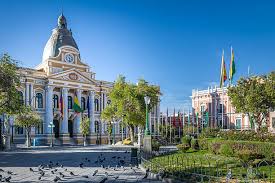
Bolivia offers opportunities for global hiring, with a rapidly growing tech talent pool and competitive compensation.
Employers expanding teams there need to understand comprehensive local labor laws, mandatory social security contributions, and compliance obligations, including those related to statutory benefits and payroll taxes.
Requirements for a labor contract in Bolivia
| Item | What employers should know |
|---|---|
| Contract Requirements in Bolivia | Employment documentation must include the employee’s national ID (CI), birth certificate, criminal background records (FELCN, FELCC, and REJAP), a completed new-entry form, an updated CV in both English and Spanish, and recent photographs that meet local specifications. |
| Types of Contracts in Bolivia | Employers typically use indefinite contracts for ongoing roles and fixed-period contracts for project-based or time-limited engagements. |
| Probation Period in Bolivia | The probation period lasts up to 90 days and applies only to indefinite contracts. During this period, employment may end without severance obligations. |
| Offer Letter in Bolivia | Offer letters are optional and not required to formalize employment relationships. |
| Digital Signatures in Bolivia | Digital signatures are not legally accepted for labor contracts. Agreements must be executed with physical signatures. |
| Onboarding Documents in Bolivia | New hires must submit copies of their national ID and birth certificate, official background check certificates (FELCN, FELCC, and REJAP), a completed onboarding form, a signed CV in English and Spanish, and recent photographs. Photo size and background requirements vary by city. |
| Photo Specifications | Required photo formats include a white-background photo and a red-background photo. Size standards vary by location: La Paz (2×2 cm), Santa Cruz (2.5×2.5 cm), and Cochabamba (3×3 cm). |
Holidays in Bolivia
Bolivia recognizes several public holidays each year, celebrating its history and cultural richness. These include days of national importance and religious observances:
- January 1: New Year’s Day
- January 22: Plurinational State Foundation Day
- February 20: Carnival Monday
- February 21: Carnival Tuesday
- April 7: Good Friday
- May 1: Labour Day
- June 8: Corpus Christi
- June 21: Andean New Year
- August 6: Independence Day
- November 2: All Souls’ Day
- December 25: Christmas Day
Working on Holidays or Sundays: Employees who work these days must be compensated at double their regular pay.
Cultural Considerations When Hiring in Bolivia
- Family and community values: Bolivians prioritize family connections and collective harmony. Respecting these values can help build strong relationships with employees.
- Language preferences: Spanish is the primary language in Bolivia, but indigenous languages like Quechua and Aymara are spoken in many regions. Acknowledging linguistic diversity is appreciated.
- Work-life balance: Employees value time with loved ones and participation in community events. Employers should treat flexibility with care, particularly around holidays.
- Religious practices: The workforce often observes Catholic traditions. Recognizing the role of faith can strengthen workplace rapport.
- Punctuality: Time management can vary. While some adhere strictly to schedules, others take a more relaxed approach. Communicating expectations clearly is beneficial.
How to Hire Employees in Brazil

Brazil’s labor market features one of Latin America’s most extensive social protection systems and a large formal workforce.
Employers can tap into skilled professionals across industries, but should plan for formal hiring processes and contributions tied to social security and employment laws. The size and diversity of Brazil’s economy make it a critical market for hiring technical and professional talent.
There are many reasons B2B SaaS companies hire developers in Brazil.
Requirements for a labor contract in Brazil
| Item | What employers should know |
|---|---|
| Contract Requirements in Brazil | Employment contracts must include employee identification details, CPF number, contract date and location, nationality, salary stated exclusively in BRL, job title and responsibilities, defined work schedule, and work location (remote, hybrid, or office-based). Additional clauses may be included when relevant. |
| Types of Contracts in Brazil | Indefinite contracts for ongoing roles, fixed-term contracts for time-bound positions, and intermittent or seasonal contracts for irregular or demand-based work schedules. |
| Probation Period in Brazil | The probation period may last up to 90 calendar days. During this time, either party may end the employment relationship without additional penalties beyond statutory obligations. |
| Offer Letter in Brazil | Offer letters are required by law and must be provided before employment begins. |
| Digital Signatures in Brazil | Digital signatures are legally valid and widely used for executing labor contracts. |
| Onboarding Documents in Brazil | Identity document (RG), CPF card, passport-sized photo (3×4 cm), Work and Social Security Card (CTPS), PIS registration, voter registration certificate, proof of address, and, when applicable, military service documentation, marriage certificate, and dependents’ birth certificates and CPFs. |
Holidays in Brazil
- January 1: New Year’s Day
- February 20-21: Carnival Monday, Carnival Tuesday
- April 7: Good Friday
- April 21: Tiradentes Day
- May 1: Labor Day
- June 8: Corpus Christi
- September 7: Independence Day
- October 12: Holy Mary’s Day
- November 2: All Souls’ Day
- November 15: Republic Day
- December 25: Christmas Day
Additional holidays vary by state, such as State Rebellion Day in São Paulo on July 9.
For work performed on holidays, wages double as compensation.
Cultural Considerations When Hiring in Brazil
- Social connection: Building relationships is vital for Brazilians, and employers benefit from fostering open and approachable communication.
- Language use: While Portuguese is the primary language, some employees may have a working knowledge of English in corporate settings. Respectful language use can bridge gaps.
- Holidays and family ties: Family-oriented values are a priority in society. Respecting personal commitments boosts employee satisfaction.
- Variations in punctuality: Flexibility can be appreciated in time-sensitive activities, but clear scheduling helps prevent misunderstandings.
- Religious diversity: Understanding religious preferences creates an inclusive environment without assumption or imposition.
How to Hire Employees in Chile

Chile offers a formal employment framework with mandatory written contracts and well-defined labor standards. Its solid economic base and emphasis on compliance provide predictability for companies seeking to hire locally.
Skilled professionals in sectors such as tech, finance, and services are available, and policies support structured recruitment and workforce management.
Requirements for a labor contract in Chile
| Item | What employers should know |
|---|---|
| Contract Requirements in Chile | Written employment contracts are mandatory and must be signed by both parties. Required details include role description, work location, compensation, work schedule, contract term, and payment frequency, following Article 10 of the Labor Code. |
| Types of Contracts in Chile | Indefinite-term contracts (the default for ongoing roles), fixed-term contracts, project- or task-based agreements, part-time contracts, and apprenticeship contracts with age and duration limits. |
| Probation Period in Chile | Chile does not define a statutory probation period. |
| Offer Letter in Chile | Offer letters are optional and do not replace the employment contract. |
| Digital Signatures in Chile | Electronic signatures are legally valid for employment contracts and widely used for remote hiring, provided formal requirements are met. |
| Onboarding Documents in Chile | The employee’s RUT, pension fund (AFP) selection, health coverage choice (FONASA or ISAPRE), and required payroll tax declarations. |
Holidays in Chile
- January 1: New Year’s Day
- May 1: Labor Day
- September 18: Independence Day
- September 19: Day of the Glories of the Army
- December 25: Christmas Day
- Additional holidays can include religious observances and commemorative dates, depending on the year.
Cultural Considerations When Hiring in Chile
- Communication style: Business communication is polite and professional. Clear written follow-ups help remote employees stay aligned.
- Language: Spanish is the working language; Chilean Spanish has a distinct accent and local expressions, so written documentation reduces misreads in remote teams.
- Work norms: Role expectations, reporting lines, and decision approval routes should be explicit in the job description and onboarding plan.
- Remote collaboration: Time zone practices vary by season (due to daylight saving time changes). Setting meeting norms and response expectations early supports smoother teamwork.
How to Hire Employees in Colombia

Most international hiring focuses on major business hubs such as Bogotá, Medellín, Cali, and Barranquilla, where talent density, infrastructure, and employer familiarity with foreign companies are strongest.
Requirements for a labor contract in Colombia
| Item | What employers should know |
|---|---|
| Contract Requirements in Colombia | Must be in writing and include the employee’s and employer’s identification, role description, work location, work schedule, salary structure, contract type, and any probation terms. Colombian law defines three essential elements: personal service, employer subordination, and remuneration. |
| Types of Contracts in Colombia | Indefinite contracts (default when no end date is stated), fixed-term contracts (up to three years, renewable), project-based contracts tied to a defined scope of work, and part-time or apprenticeship agreements. |
| Probation Period in Colombia | Must be stated in writing and cannot exceed two months. For fixed-term contracts of less than one year, probation may not exceed one-fifth of the agreed term. |
| Offer Letter in Colombia | Offer letters are optional and not legally required. Some employers use them to outline compensation, role scope, and start dates before executing the formal contract. |
| Digital Signatures in Colombia | Digital signatures are legally accepted and commonly used for employment contracts, including remote hiring scenarios. |
| Onboarding Documents in Colombia | National ID, tax registration (RUT), pension fund selection, health insurance enrollment (EPS), and required payroll registration forms. |
Holidays in Colombia
Colombia observes many public holidays, many of which fall on Mondays under the country’s holiday transfer rules.
- January 1: New Year’s Day
- January 6: Epiphany
- March 19: Saint Joseph’s Day
- Holy Thursday: Date varies
- Good Friday: Date varies
- May 1: Labor Day
- Ascension of the Lord: Date varies (moved to Monday)
- Corpus Christi: Date varies (moved to Monday)
- Sacred Heart of Jesus: Date varies (moved to Monday)
- July 20: Independence Day
- August 7: Battle of Boyacá
- August 19: Assumption of the Virgin Mary
- October 12: Day of Cultural Diversity
- November 1: All Saints’ Day
- November 11: Independence of Cartagena
- December 8: Immaculate Conception
- December 25: Christmas Day
Cultural Considerations When Hiring in Colombia
- Relationship-driven work culture: Professional relationships and trust matter. Clear communication and respectful interaction go a long way.
- Hierarchy awareness: Decision-making often follows formal reporting lines, particularly in traditional organizations.
- Communication style: Direct but polite communication is preferred, with professionalism valued in written and verbal exchanges.
- Work-life balance: Family commitments and national holidays carry importance, especially during extended holiday periods.
How to Hire Employees in Costa Rica

Costa Rica is a stable market in Central America with strong literacy and a sizable bilingual workforce in major hubs like San José. Employers also see a steady supply of technical roles, as well as support functions such as operations and finance.
Requirements for a labor contract in Costa Rica
| Item | What employers should know |
|---|---|
| Contract Requirements in Costa Rica | Employment terms may exist in a written or verbal form, but written agreements are the safer standard for employers. Contracts should clearly state the parties’ names, scope of work, responsibilities, compensation terms, and any added benefits. Compensation should be stated in Costa Rican colón (CRC), not a foreign currency. |
| Types of Contracts in Costa Rica | Contract format can vary by role and pay type, so define scope and pay terms clearly in the agreement. |
| Probation Period in Costa Rica | If you plan to use one, confirm local rules and document the terms in writing. |
| Offer Letter in Costa Rica | Some employers use them to confirm salary, start date, and role scope before the formal contract. |
| Digital Signatures in Costa Rica | If you plan to use e-signature workflows, confirm local enforceability for employment documents. |
| Onboarding Documents in Costa Rica | National ID number (“Cédula persona física” for individuals), payroll and tax setup details, and Social Security registration details tied to the Costa Rican Social Security Fund (CCSS). |
Holidays in Costa Rica
- January 1: New Year’s Day
- April 11: Juan Santamaría Day
- Holy Thursday: Easter Week (date varies)
- Good Friday: Easter Week (date varies)
- May 1: Labor Day
- July 25: Annexation of Guanacaste Day
- August 2: Virgin of Los Angeles Day
- August 15: Mother’s Day
- September 15: Independence Day
- October 12: Cultural Day
- December 25: Christmas
Cultural Considerations When Hiring in Costa Rica
- Relationship-first business style: Trust and rapport matter. Expect more emphasis on relationship-building before big decisions.
- Communication tone: Friendly and modest communication is the norm, even in professional settings.
- Work-life balance: People value life outside work, so timelines and availability expectations should be clear from day one.
- Daily rhythm: Lunch is a big deal culturally, and many people prioritize family time and routine.
How to Hire Employees in the Dominican Republic

The Dominican Republic has a large labor force concentrated in Greater Santo Domingo, with growing interest in tech and professional services roles. Spanish is the primary business language, and many candidates also speak English, especially in tourism-heavy and international business areas.
Requirements for a labor contract in the Dominican Republic
| Item | What employers should know |
|---|---|
| Contract Requirements in the Dominican Republic | Written contracts are not required for permanent employment, but employers must register employees, report wages, and pay Social Security. Commonly captured employee details include name, nationality, age, sex, marital status, and addresses for both parties. |
| Types of Contracts in the Dominican Republic | Employment is generally treated as indefinite unless the role is time-bound or tied to a specific service. Fixed-term work requires a written agreement. |
| Probation Period in the Dominican Republic | The first three months of employment can be ended without additional obligations on the employer. |
| Offer Letter in the Dominican Republic | Some employers use an offer letter to confirm the role, pay, and start date before formal documentation. |
| Digital Signatures in the Dominican Republic | If you plan to use e-signature workflows, confirm local enforceability for employment documents. |
| Onboarding Documents in the Dominican Republic | National ID registration (Cédula), tax and payroll registration with the relevant authorities, and Social Security enrollment in the national system. |
Holidays in the Dominican Republic
- January 1: New Year’s Day
- January 6: Three King’s Day
- January 21: Day of the Virgin of Altagracia
- January 26: Birthdate of Juan Pablo Duarte
- February 27: Independence Day
- Good Friday: Date varies (March or April)
- Corpus Christi: Date varies (May or June)
- May 1: Labor Day
- August 16: Restoration Day
- September 24: Day of the Virgin of Mercedes
- November 6: Constitution Day
- December 25: Christmas
Cultural Considerations When Hiring in the Dominican Republic
- Formal business etiquette: Professionalism matters in meetings. Teams expect preparation and clear agendas.
- Negotiation expectations: Negotiation is normal in business discussions, including compensation and role scope.
- Direct communication style: Conversations can sound loud or intense to outsiders, but that doesn’t signal disrespect.
- Work hours and pace: Long workdays are common in some sectors, so align expectations early for remote teams (availability, response windows, and time off).
- Presentation and appearance: In-office culture values looking polished in business settings.
How to Hire Employees in Ecuador

Ecuador’s dollarized economy can make payroll planning feel simpler than in markets with volatile FX.
At the same time, a lot of U.S. teams treat Ecuador as a higher-attention hire right now because public security has been a dominant national issue in recent years and has stayed central in national policy debates.
If your priority is a “bigger nearshore hiring lane” with deeper tech hiring volume, Colombia is usually the easier starting point.
Requirements for a labor contract in Ecuador
| Item | What employers should know |
|---|---|
| Contract Requirements in Ecuador | Work/services, how work is measured (time/task/output), pay amount and method, term, work location, and penalties (if any). |
| Types of Contracts in Ecuador | Indefinite, fixed-term, seasonal, temporary, occasional. |
| Probation Period in Ecuador | 3 months (termination during this period can be simpler vs. post-probation). |
| Offer Letter in Ecuador | Offer letters are commonly used for clarity, but they aren’t the legal centerpiece; your contract terms matter most. |
| Digital Signatures in Ecuador | Ecuador recognizes electronic signatures in law; confirm the format your provider/counsel accepts for employment documentation. |
| Onboarding Documents in Ecuador | Government-issued ID and local tax/social security identifiers (the exact set varies by employer setup). |
Holidays in Ecuador
- January 1: New Year’s Day
- February 15 & 16: Carnival
- Variable (Mar/Apr): Good Friday
- April 30: Labour Day Holiday
- May 1: Labour Day
- May 24: Battle of Pichincha Holiday
- August 9: National Day Holiday
- October 9: Independence of Guayaquil
- November 1: Independence of Cuenca Holiday
- November 2: All Souls’ Day
- November 3: Cuenca Independence Day
- December 25: Christmas Day
Cultural Considerations When Hiring in Ecuador
- Meeting norms: Plan for relationship-led communication in early conversations; keep written follow-ups tight.
- Seniority signals: Titles and credentials can carry real weight in workplace dynamics. Use role titles clearly in your job post and org chart.
- Professional etiquette: First interactions tend to be formal; your hiring team can stay friendly while keeping communication crisp and respectful.
How to Hire Employees in El Salvador

El Salvador has become an increasingly attractive option for U.S. companies looking to hire in Central America.
With a growing bilingual workforce, competitive salary expectations, and strong cultural alignment with U.S. business practices, the country is well-suited for roles in customer support, operations, and technology.
Requirements for a labor contract in El Salvador
| Item | What employers should know |
|---|---|
| Contract Requirements in El Salvador | Both parties’ identity info, job duties, start date, work location, work hours, pay amount, pay schedule, and dependent information (Labor Code, Article 23). |
| Types of Contracts in El Salvador | Indefinite-term agreements and fixed-term agreements when the role has a defined end date or project scope. |
| Probation Period in El Salvador | Up to 30 days. During that window, either side can end the agreement. |
| Offer Letter in El Salvador | Not a strict legal “must,” but useful for clarity on role scope, pay, start date, and the hiring process timeline. |
| Digital Signatures in El Salvador | Electronic signatures are legally valid under El Salvador’s electronic signature framework. |
| Onboarding Documents in El Salvador | Identity documentation plus taxpayer information (NIT), and payroll/social security. |
Holidays in El Salvador
- January 1: New Year’s Day
- April 1: Maundy Thursday
- April (date varies): Good Friday
- April 3: Holy Saturday
- April 4: Easter Sunday
- May 1: Labour Day
- May 10: Mother’s Day
- June 17: Father’s Day
- August 6: Fiesta de San Salvador
- September 15: Independence Day
- December 24: Christmas Eve
- December 25: Christmas Day
- December 31: New Year’s Eve
Cultural Considerations When Hiring in El Salvador
- Time expectations: Meeting start times can run late, so calendar buffers keep projects calm and predictable.
- Business etiquette: Professional settings lean formal, expect polished dress and prepared agendas.
- Communication style: Conversations may be louder and more direct than U.S. teams expect; that’s usually a normal emphasis, not a sign of conflict.
- Negotiation norms: Negotiation is part of business culture, so leave room for back-and-forth on terms and timelines.
How to Hire Employees in Guatemala
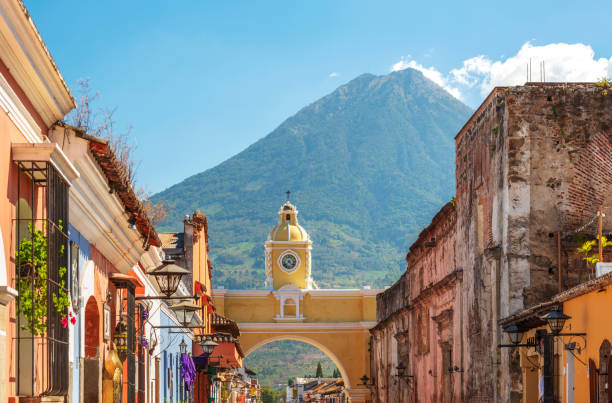
Guatemala is one of the most attractive destinations for hiring in Central America for U.S. companies.
It offers a young, growing workforce, strong exposure to English, and close alignment with U.S. time zones. With competitive labor costs and an expanding tech and services ecosystem, Guatemala works well for customer support, software development, operations, and back-office roles when companies understand local labor requirements.
Requirements for a labor contract in Guatemala
| Item | What employers should know |
|---|---|
| Contract Requirements in Guatemala | Written contract required, in Spanish, registered with the Ministry of Labor |
| Types of Contracts in Guatemala | Indefinite term, fixed term, project-based |
| Probation Period in Guatemala | Up to 2 months |
| Offer Letter in Guatemala | Common practice, not legally required |
| Digital Signatures in Guatemala | Accepted for employment documentation |
| Onboarding Documents in Guatemala | National ID (DPI) or passport, tax ID (NIT), bank details |
Holidays in Guatemala
- January 1: New Year’s Day
- Thursday before Easter Sunday: Maundy Thursday
- Friday before Easter Sunday: Good Friday
- May 1: Labor Day
- June 30: Army Day
- September 15: Independence Day
- October 20: Revolution Day
- November 1: All Saints’ Day
- December 25: Christmas Day
Cultural Considerations When Hiring in Guatemala
- Formality matters: Business interactions are formal. Titles should be used consistently, especially in professional settings.
- Relationship-oriented communication: Trust and long-term relationships are valued. Clear expectations and respectful dialogue support retention.
- Structured workdays: Lunch is the main meal of the day, followed by an afternoon snack (“refacción”). Scheduling should account for this rhythm.
- Clear accountability norms: Employees often communicate departures or schedule changes openly, reinforcing transparency within teams.
How to Hire Employees in Honduras

Honduras offers a favorable environment for U.S. and international companies looking to build local teams.
The country’s labor laws are created to protect workers while giving employers flexibility, provided you comply with the Honduran Labor Code requirements for contracts, onboarding, and statutory obligations.
Requirements for a labor contract in Honduras
| Item | What employers should know |
|---|---|
| Contract Requirements in Honduras | Employment contracts must be in writing (in Spanish) for roles lasting more than 60 days and must include the parties’ data, job duties, work hours, salary and benefits, the contract term, and signatures. |
| Types of Contracts in Honduras | Common contracts include indefinite-term, fixed-term, and project-specific agreements. |
| Probation Period in Honduras | |
| Learn more about how to build your SuperPowered NearShore Team and maintain compliance in Latin America with LatamCent. | A probationary period of up to 60 days is possible; termination during this period may occur without severance, but it must be stated in the contract. |
| Offer Letter in Honduras | Offer letters are not legally required but are often used to clarify role, salary, and start date before the formal contract. (standard local practice) |
| Digital Signatures in Honduras | Electronic signatures are legally valid when agreed to by both parties and can be used for contracts and related documentation. |
| Onboarding Documents in Honduras | Employers usually collect the employee’s national ID or passport, taxpayer ID (NIT), and details necessary for payroll registration with social security and tax authorities. (common compliance practice) |
Holidays in Honduras
- January 1: New Year’s Day
- April 2: Maundy Thursday
- April 3: Good Friday
- April 4: Holy Saturday
- April 14: America Day
- May 1: Labor Day
- September 15: Independence Day
- October 3: Morazán Day
- October 12: Columbus Day
- October 21: Army Day
- December 25: Christmas Day
Cultural Considerations When Hiring in Honduras
- Language & Formality: Spanish is the official business language, and formal communication is valued, clear, professional documentation and orientation help bridge expectations.
- Workweek Expectations: Standard workweeks are 44 hours (typically eight hours per day), so scheduling norms and overtime arrangements should be clearly discussed up front.
- Holiday Norms: Many public holidays fall around religious and national dates; planning project timelines with local holidays in mind can reduce friction.
- Payroll Bonuses: It’s common to budget for 13th- and 14th-month bonuses (aguinaldo-type payments) as part of total compensation, which helps with talent attraction and retention.
How to Hire Employees in Mexico

Mexico is one of the strongest nearshore markets for U.S. companies based on scale, depth of specialized talent, and proximity.
With ~129M people and major hubs like Mexico City, Guadalajara, and Monterrey, you get access to large remote teams, strong STEM output, and a mature compliance framework under the Federal Labor Law. SMEs also power the economy (INEGI reports that MSMEs represent 99%+ of economic units), supporting a large talent pool for roles in software development, operations, finance, sales, and business development.
Requirements for a labor contract in Mexico
| Item | What employers should know |
|---|---|
| Contract Requirements in Mexico | Written contract recommended. Must include: full names, nationality, age, sex, marital status, CURP, RFC, addresses, role and duties, work location, pay, pay frequency, rest days, benefits, and term (Article 25, LFT). |
| Types of Contracts in Mexico | Indefinite term; fixed-term (only when justified by the nature of the work or temporary replacement); seasonal; project/specific work; initial training; trial period (LFT Articles 37, 39, 39-A, 39-B, 39-F). |
| Probation Period in Mexico | Trial period up to 30 days for most roles; up to 180 days for management/directive roles and specialized positions, when allowed by law and documented (LFT). |
| Offer Letter in Mexico | Not required for domestic hiring, but commonly used to confirm salary, start date, and key benefits before signature (also required for certain immigration cases). |
| Digital Signatures in Mexico | Commonly accepted in business practice, when properly executed, keep audit trails and signed copies stored for HR and payroll records. |
| Onboarding Documents in Mexico | Typical set: CURP, RFC, official ID, address proof, bank details for payroll, and social security registration info (IMSS). Many employers also collect emergency contact details and signed policy acknowledgements. |
Holidays in Mexico
- January 1: New Year’s Day
- First Monday in February: Constitution Day (observed)
- Third Monday in March: Benito Juárez’s Birthday (observed)
- May 1: Labor Day
- September 16: Independence Day
- Third Monday in November: Revolution Day (observed)
- December 1: Presidential Inauguration Day (only every 6 years)
- December 25: Christmas Day
Cultural Considerations When Hiring in Mexico
- Relationship-first business style: Trust matters. A respectful kickoff call, a clear job description, and consistent check-ins help remote employees feel part of the company culture from day one.
- Communication expectations: Direct feedback works best when paired with context and professionalism; leaders who explain “why” get smoother execution and fewer misunderstandings.
- Talent hubs feel different: English proficiency and international work exposure tend to be stronger in major urban centers and border regions, use that when planning customer-facing roles, financial reporting, or cross-team collaboration.
- Benefits are part of the pitch: Candidates evaluate total compensation, not just base pay. They also consider vacation policies, health insurance options, bonuses (like Aguinaldo), and growth paths, which help secure quality candidates quickly.
How to Hire Employees in Nicaragua

Nicaragua can be a cost-effective option for U.S. companies that want remote talent in Central Time.
The economy leans heavily on agriculture and exports, and small and mid-sized businesses play a big role in employment. For hiring, the main thing is choosing the correct worker classification (employee vs. professional services) and keeping contracts clean, because misclassification can create legal risks and back-pay exposure.
Requirements for a labor contract in Nicaragua
| Item | What employers should know |
|---|---|
| Contract Requirements in Nicaragua | Written contracts are standard for most roles (two copies). Common inclusions: employee and employer identification, start date, job scope, workplace/location, work schedule, compensation, pay frequency, term (if fixed), and any special conditions. |
| Types of Contracts in Nicaragua | Written fixed-term and indefinite-term employment contracts are common. Verbal contracts can be used for fieldwork, domestic service, and temporary/seasonal tasks up to 10 days (the employer should still provide a work certificate). Professional services contracts exist for self-employed workers. |
| Probation Period in Nicaragua | Probation can be used and is generally capped at 30 days. During probation, termination can occur without notice or severance. |
| Offer Letter in Nicaragua | Not a legal requirement, but useful to confirm compensation, start date, job scope, and whether the role is employee or professional services (important for compliance). |
| Digital Signatures in Nicaragua | Digital signing is commonly used in remote work, but keep a conservative approach: store signed copies, verify IDs, and maintain an audit trail in your HR files. |
| Onboarding Documents in Nicaragua | Government ID, taxpayer registration information (RUC, where applicable), payroll bank details, and any role-specific compliance documents requested by the employer. |
Holidays in Nicaragua
- January 1: New Year’s Day
- Thursday before Easter Sunday: Maundy Thursday
- Friday before Easter Sunday: Good Friday
- May 1: Labor Day
- May 30: Mother’s Day
- July 19: Sandinista Revolution Anniversary
- September 14: San Jacinto Day
- September 15: Independence Day
- November 2: All Souls’ Day (commonly observed)
- December 8: Feast of the Immaculate Conception
- December 25: Christmas Day
Cultural Considerations When Hiring in Nicaragua
- Community-first mindset: Relationships and trust carry weight, especially outside Managua. A respectful tone and consistent communication help remote teams stay engaged.
- Clear expectations reduce friction: Spell out deadlines, reporting lines, and what “done” means. It supports smoother collaboration and fewer misunderstandings.
- Be thoughtful about scheduling: Standard hours often follow a daytime structure; confirm availability early if your U.S. team expects meetings at the start or end of the day.
- Keep classification clean: If you use professional services contractors, avoid employee-style controls (like fixed schedules and ongoing supervision) to reduce misclassification risk.
How to Hire Employees in Panama

Panama is a regional hub for trade, logistics, and financial services, supported by a stable, dollar-based economy and a business-friendly environment for foreign companies.
Hiring locally is simple when contracts are properly documented and registered, and when employers account for mandatory benefits, payroll contributions, and formal termination rules.
Requirements for a labor contract in Panama
| Items | What employers should know |
|---|---|
| Contract Requirements in Panama | Written contract required, in three copies (employee, employer, Ministry of Labor). Must include employee and employer identification, job duties, workplace, working hours, salary and pay method, contract term (if fixed), and signatures. |
| Types of Contracts in Panama | Indefinite-term contracts (most common) and fixed-term contracts (up to 1 year; up to 3 years for technical roles). |
| Probation Period in Panama | Up to 3 months. During probation, termination is allowed without severance. |
| Offer Letter in Panama | Not legally required, but commonly used to outline role, salary, and start date before signing the formal labor contract. |
| Digital Signatures in Panama | Digital signatures are accepted in practice, but employers often keep signed physical copies for labor authority filings and audits. |
| Onboarding Documents in Panama | National ID or passport, taxpayer ID (RUC if applicable), Social Security (CSS) registration, bank details, and signed employment contract. |
Holidays in Panama
- January 1: New Year’s Day
- January 9: Martyrs’ Day
- Tuesday before Ash Wednesday: Carnival Tuesday
- Friday before Easter: Good Friday
- May 1: Labor Day
- November 3: Separation Day
- November 5: Colón Day
- November 10: Primer Grito de Independencia de la Villa de Los Santos
- November 28: Independence Day
- December 8: Mother’s Day & Feast of the Immaculate Conception
- December 25: Christmas Day
Cultural Considerations When Hiring in Panama
- Relationship-driven business culture: Personal rapport and trust matter, especially in senior or client-facing roles.
- Professional but warm communication: Meetings are formal, yet conversational; respect and courtesy go a long way.
- Punctuality with flexibility: Business schedules are generally respected, though flexibility is appreciated.
- Strong national pride: Panamanians value their country’s role as a global trade hub, showing that awareness of this context helps build credibility.
How to Hire Employees in Paraguay

Paraguay is an increasingly attractive destination for companies looking to hire in Latin America due to its young workforce, low taxes, and business-friendly labor costs.
With agriculture, energy, and manufacturing driving growth, employers can access motivated talent while operating in one of the region’s simplest tax and regulatory environments.
Requirements for a labor contract in Paraguay
| Items | What employers should know |
|---|---|
| Contract Requirements in Paraguay | Contracts must be in writing and include job duties, workplace, working hours, salary, and payment terms, benefits (if applicable), and signatures. |
| Types of Contracts in Paraguay | Indefinite-term contracts (standard) and fixed-term contracts for specific services or projects. |
| Probation Period in Paraguay | Commonly up to 30 days (market practice) for evaluating suitability. |
| Offer Letter in Paraguay | Not legally required, but often used to outline key terms before signing the formal contract. |
| Digital Signatures in Paraguay | Physical and digital signatures are standard. |
| Onboarding Documents in Paraguay | National ID or passport, taxpayer ID (RUC), Social Security (IPS) registration, bank details, and signed contract. |
Holidays in Paraguay
- January 1: New Year’s Day
- March 1: Day of Heroes
- Thursday before Easter: Holy Thursday
- Friday before Easter: Good Friday
- Easter Sunday: Easter Day
- May 1: Labour Day
- May 14-15: Independence Day
- June 12: Chaco Armistice Day
- August 15: Founding of Asunción
- September 29: Boquerón Battle Victory Day
- December 8: Virgin of Caacupé Day
- December 25: Christmas Day
- December 31: New Year’s Eve
Cultural Considerations When Hiring in Paraguay
- Bilingual culture: Spanish and Guaraní are both widely spoken; cultural sensitivity to Guaraní traditions is valued.
- Relationship-based trust: Strong personal relationships and loyalty are important in professional settings.
- Respect for hierarchy: Decision-making often follows clear seniority and authority structures.
- Work–life balance: Family and community play a central role, influencing expectations around schedules and time off.
How to Hire Employees in Peru

Peru is one of Latin America’s fastest-growing economies, known for its strong service, mining, and manufacturing sectors. With a young and skilled workforce, favorable investment policies, and increasing digital adoption, the country offers expanding opportunities for global employers.
Requirements for a labor contract in Peru
| Items | What employers should know |
|---|---|
| Contract Requirements in Peru | Written contracts are preferred. They must specify duties, salary (in PEN), working hours, benefits, and signatures. |
| Types of Contracts in Peru | Common types include indefinite-term (default), fixed-term, part-time, remote work, and seasonal contracts. Foreign employment contracts require government approval. |
| Probation Period in Peru | Standard probation is three months, extendable up to six months for managerial or technical positions. |
| Offer Letter in Peru | Not mandatory, but often used to confirm salary, start date, and job scope before formal hiring. |
| Digital Signatures in Peru | Electronic signatures are legally valid if compliant with Peru’s National Digital Signature Law. |
| Onboarding Documents in Peru | National ID (DNI) or foreigner card, RUC (tax ID), EsSalud registration, pension fund details, and signed contract. |
Holidays in Peru
- January 1: New Year’s Day
- Holy Thursday and Good Friday: Easter Week
- May 1: Labor Day
- June 29: Saint Peter and Saint Paul
- July 28–29: National Holidays
- August 30: Saint Rosa de Lima
- October 8: Battle of Angamos
- November 1: All Saints’ Day
- December 8: Immaculate Conception Day
- December 25: Christmas Day
Cultural Considerations When Hiring in Peru
- Bilingual workforce: Spanish is dominant, but many professionals, especially in Lima and the tourism sector, also speak English.
- Relationship-focused: Building trust and maintaining long-term partnerships are key in business.
- Respect for hierarchy: Decision-making often rests with senior management.
- Work–life balance: Family and leisure time are highly valued.
- Politeness in communication: A courteous, professional tone is appreciated in all interactions.
How to Hire Employees in Uruguay

Uruguay offers one of South America’s most stable business climates, with a strong economy driven by agriculture, technology, and services.
The country’s well-educated population, transparent regulations, and progressive digital infrastructure make it a favorable hub for foreign investment and skilled hiring. Montevideo, in particular, serves as a regional center for finance, IT, and innovation.
Requirements for a labor contract in Uruguay
| Items | What Employers Should Know |
|---|---|
| Contract Requirements in Uruguay | Employment contracts are not legally required to be written, but written agreements are highly recommended. They should clearly state job duties, salary, working hours, benefits, and termination clauses. |
| Types of Contracts in Uruguay | The most common are indefinite-term contracts. Fixed-term and task-based contracts are permitted for specific projects or defined durations. |
| Probation Period in Uruguay | Market practice allows for a short evaluation period (up to 3 months) to assess employee suitability. |
| Offer Letter in Uruguay | Not mandatory, but widely used to confirm key employment terms such as job title, salary, and start date. |
| Digital Signatures in Uruguay | Electronic and physical signatures are both accepted under Uruguayan law. |
| Onboarding Documents in Uruguay | National ID (Cédula), taxpayer ID (DGI), social security registration, bank account information, and signed contract. |
Holidays in Uruguay
- January 1: New Year’s Day
- January 6: Three Kings Day
- February 15–16: Carnival
- Maundy Thursday (date varies)
- Good Friday (date varies)
- April 19: Landing of the 33 Orientals
- May 1: Workers’ Day
- May 17: Battle of Las Piedras
- June 19: Birth of Artigas
- July 18: Constitution Day
- August 25: Independence Day
- October 11: Columbus Day
- November 2: All Souls’ Day
- December 25: Christmas Day
Cultural Considerations When Hiring in Uruguay
- Highly educated workforce: Uruguay boasts the most educated labor force in South America, with strong English and tech literacy among younger professionals.
- Relationship-based culture: Business success often depends on trust and personal connections, face-to-face meetings and consistent follow-ups are valued.
- Workplace equality: Uruguay is known for progressive labor policies and strong worker protections. Collaboration and mutual respect are emphasized.
- Work–life balance: Employees appreciate flexible schedules and prioritize personal and family time.
- Direct yet polite communication: Uruguayans value professionalism and straightforward dialogue delivered with courtesy and respect.
LatamCent Can Help You Hire Latin American Talent
LatamCent is a nearshore hiring company that helps B2B SaaS and growing businesses build high-performing teams in Latin America.
Our specialized recruiters, sourcers, and talent partners are experts in fields like engineering, finance, GTM, and operations. They source and evaluate pre-vetted professionals who match your technical needs and cultural fit.
Why companies choose LatamCent:
- Fast hiring process: Get quality candidates ready to start within days.
- Specialized recruiters: Experts handle sourcing and screening for precision hiring.
- Flexible models: Choose Talent as a Service (TaaS) or Direct Hire to fit your goals.
- Full compliance: Payroll, contracts, and benefits handled under local regulations.
- Cost efficiency: Hiring Latin American talent can reduce costs by up to 50%.
- Aligned time zones: Work easily with teams just a few hours ahead.
LatamCent gives you access to the best talent in Latin America, helping your company scale quickly, compliantly, and cost-effectively.
If you’re unsure of how to get started hiring in Latin America, here’s a checklist of questions to ask nearshore agencies to prevent poor hires or bad fits.
Conclusion
Building remote teams in Latin America gives hiring managers immediate access to skilled workers, reliable Latin American candidates, and meaningful cost savings, all while keeping collaboration in step with U.S. schedules.
Define the role clearly, standardize interviews, and use compliant hiring models to secure the right candidate across roles, from software developers and virtual assistants to GTM, finance, and ops.
With a partner like LatamCent offering Latin American recruitment and offering access to pre-vetted candidates, companies can source the perfect candidate, stay legally compliant, and create their next success stories throughout the region. Get in touch with us today!